Basement Finishing 101: A Beginner’s Guide to Planning and Execution
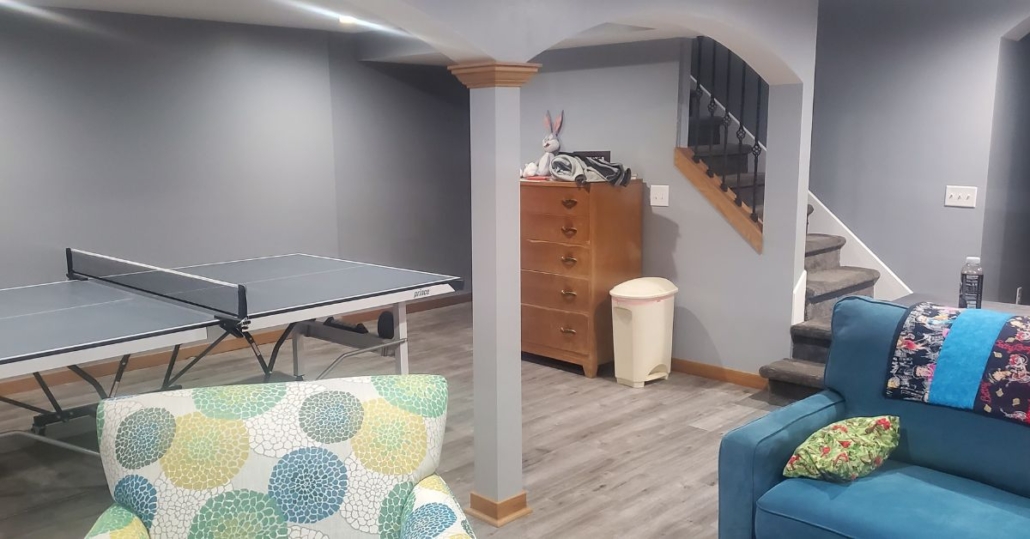
Transforming your basement from an unused storage space into a functional and inviting area is an exciting project that can add value to your home. Whether you’re looking to create a home theater, a guest suite, or a playroom, finishing your basement can give you the extra space you need without expanding your home’s footprint. However, before diving in, proper planning and execution are key to ensuring your basement renovation is a success.
In this beginner’s guide, we’ll walk you through the essential steps of planning and executing a basement finishing project, from initial preparation to the final touches.
Assess the Space and Determine the Purpose
The first step in any basement finishing project is to assess the space. Take a good look at your basement to evaluate its current condition. Consider aspects like ceiling height, square footage, and structural features. Make sure the space is dry and free from any mold or mildew. If there are any leaks, cracks, or moisture problems, these need to be addressed before you proceed with finishing the basement.
Once you’ve assessed the space, it’s time to determine the purpose of the basement. Think about how you want to use the area. Do you need an extra bedroom, a family room, a home office, or a combination of these? Planning the layout according to the purpose will help guide your design choices and the materials you use.
Create a Budget
Establishing a realistic budget is a crucial step in the planning process. Basement renovations can vary widely in cost, depending on the materials, finishes, and project complexity. Create a detailed budget that includes labor costs (if hiring professionals), materials like drywall, insulation, and flooring, permits and inspections, electrical and plumbing work, and finishing touches such as paint, trim, and light fixtures. Remember to set aside a contingency fund of 10-15% of your budget to account for potential unexpected costs that may arise during the renovation.
 Check Local Codes and Permits
 Check Local Codes and Permits
Before starting any work on your basement, it’s crucial to familiarize yourself with local building codes and regulations. Some areas may require permits, especially for projects involving plumbing, electrical work, or significant layout changes. Consult your local building department to determine the specific requirements for your project. In addition to permits, ensure your basement complies with safety codes, including providing emergency exits for bedrooms or living spaces, proper ventilation to maintain a dry and comfortable environment, and adhering to electrical and plumbing regulations, which may require inspections. By following these guidelines and obtaining necessary permits, you can avoid potential legal and safety issues down the line.
Plan the Layout and Design
Now comes the fun part—designing your finished basement. The layout of your basement depends largely on the space you have and the purpose you’ve chosen. Consider how you’ll divide the space into rooms using drywall, partitions, or furniture placement. Since basements often lack natural light, plan for a combination of overhead, task, and accent lighting to create a bright and welcoming atmosphere. Incorporate storage solutions like built-in shelves or cabinets to keep the space organized and clutter-free. Finally, decide on a design style—modern, rustic, or traditional—to guide your choice of finishes, colors, and furniture.
Begin the Renovation Process
With your plan in place, it’s time to start the renovation. While you can choose to do the work yourself or hire professionals, keep in mind that finishing a basement requires various skills, including carpentry, electrical work, and plumbing. If you’re not experienced in these areas, it’s a good idea to bring in experts. Key steps include framing the basic structure, insulating the space for comfort and energy efficiency, installing or upgrading electrical and plumbing systems, finishing the drywall, and choosing suitable flooring that can handle moisture and provide comfort.
Final Touches and Furnishing
Once the major construction work is complete, it’s time for the finishing touches. This includes painting the walls, installing trim, and adding any decorative elements like curtains or rugs. Consider your basement’s purpose when choosing colors and furniture. For example, a home theater might feature dark, rich colors, plush seating, and a large-screen TV. A guest bedroom could be designed with light, airy colors, cozy bedding, and comfortable furniture. A home office might benefit from neutral colors, organized shelving, and ergonomic furniture. Don’t forget about storage options—utilizing vertical space or built-in solutions can help maximize the space’s functionality.
Add Comfort and Style
 Add Comfort and Style
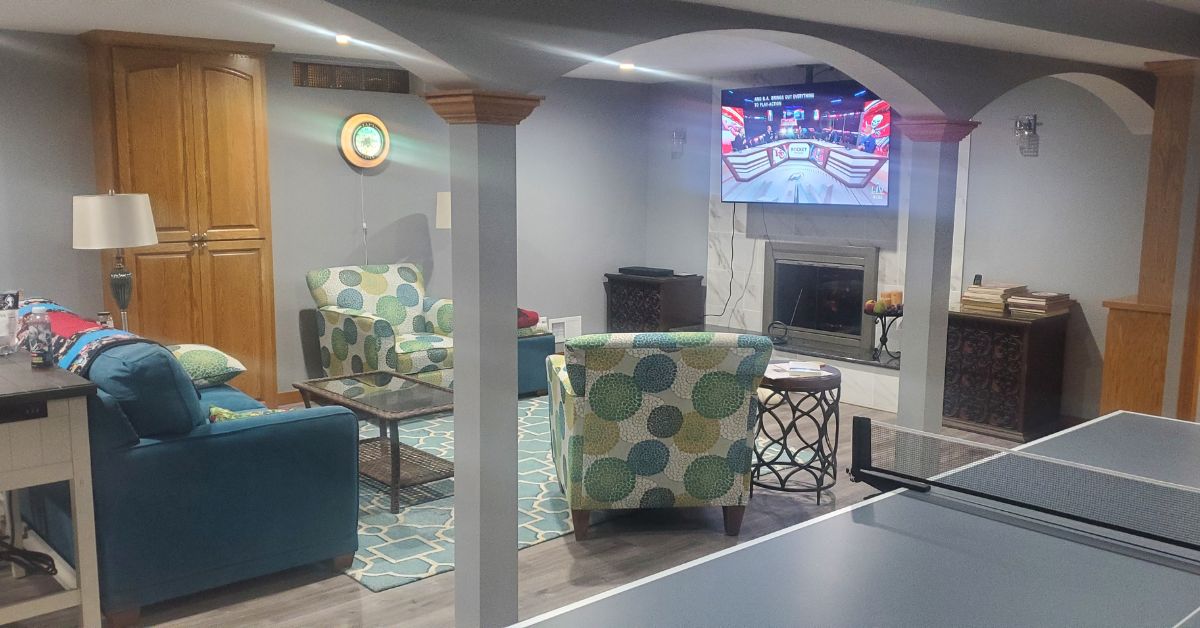
Finally, make the space inviting and comfortable by adding personal touches. Soft furnishings such as cushions, throws, and area rugs can warm up the space and make it feel cozy. Adding plants or artwork can also create a more personalized atmosphere.
Enjoy Your New Space
After all the hard work, it’s time to sit back, relax, and enjoy your newly finished basement. Whether it’s a family entertainment area, a quiet retreat, or a place to work, you’ve created a space that adds value to your home and provides a functional, beautiful environment.
Finishing a basement is a rewarding project that requires careful planning, budgeting, and execution. By following the steps outlined above, you’ll be well on your way to creating a space that enhances both the function and value of your home. Whether you decide to tackle the project on your own or enlist the help of professionals, a finished basement can open up a world of possibilities for your home’s design and functionality.