Master Your Backyard: A Guide to Successful Deck Construction

Your backyard has more potential than you think. Imagine sipping your morning coffee on a sun-drenched wooden deck, hosting weekend BBQs, or just chilling under the stars. Sounds good? Building your own deck might sound like a big project, but with the right approach, it’s totally doable—and incredibly rewarding. Whether you’re a DIY pro or a complete beginner, this guide will walk you through everything you need to know to master your deck construction project.
Why Build a Deck in the First Place?
Let’s be real: a deck instantly transforms your outdoor space. It adds value to your home, creates a perfect hangout zone, and just straight-up looks amazing. Plus, it bridges the gap between indoor comfort and outdoor freedom. It’s not just wood and screws—it’s lifestyle.
Start with the Big Picture
Before construction begins, dedicate time to envision your ideal deck, considering whether you prefer a rustic or contemporary style and any desired features like built-in seating, lighting, or a pergola for shade; gather inspiration by sketching your ideas, exploring platforms like Pinterest, or observing neighborhood decks. Simultaneously, carefully assess your available space, ensuring the deck’s size is proportionate to your yard and observing the sun’s path to strategically plan for shade.
Check the Rules
Before starting your deck project, it’s essential to navigate the less exciting but crucial aspects of permits and local codes; most jurisdictions mandate obtaining a building permit before construction, so contact your local building department to understand the specific requirements to avoid potential fines or the costly necessity of demolition. Additionally, if you reside within a homeowner’s association, ensure your deck plans align with their regulations to prevent any unwelcome HOA disputes.
 Pick the Right Materials
 Pick the Right Materials
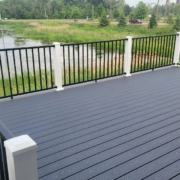
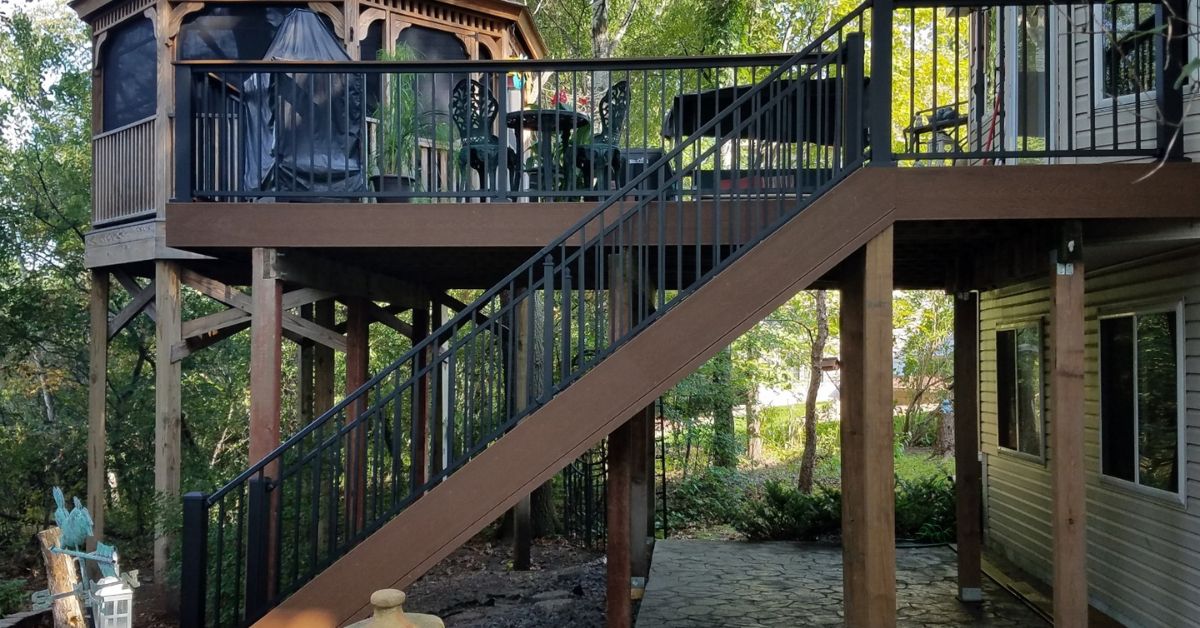
When selecting decking materials, pressure-treated wood offers an affordable and widely available option with good resistance to rot and insects, though it requires regular sealing and upkeep. For a naturally beautiful and decay-resistant choice, consider cedar or redwood, which, while more expensive, boast an appealing initial appearance and develop a graceful silver patina if left unsealed. Alternatively, composite decking provides a low-maintenance and contemporary aesthetic, crafted from recycled wood and plastic for exceptional durability without the need for sanding or staining, albeit at a premium price point.
Plan Your Foundation
The design of your deck should first consider the transition from your home to the outdoors; if your door is near ground level, a low-profile platform deck could be ideal, while a sloping backyard might benefit from a raised deck with accompanying stairs to create a functional and appealing space. Regardless of the deck’s height, a robust foundation is critical, requiring the digging of holes for concrete footings at each post location to ensure the deck’s stability and safety, particularly in regions prone to freezing temperatures.
Time to Frame It Up
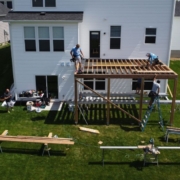
Constructing your deck’s framework begins with laying the joists, which serve as the structural support for the decking boards; these should be spaced consistently, often around 16 inches apart, and secured with joist hangers to enhance stability. Crucially, the ledger board, which connects the deck to your house, must be exceptionally sturdy and meticulously sealed, utilizing flashing tape to effectively prevent water intrusion and potential damage to your home’s structure.
Decking It Out
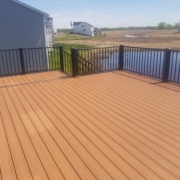
Selecting the orientation of your deck boards, whether a straightforward linear arrangement, a dynamic diagonal layout, or an intricate herringbone design, allows you to infuse personality into your outdoor space and significantly alter its overall ambiance, keeping in mind that more complex patterns typically necessitate additional cuts and potentially generate more material waste. When securing the boards, opt for decking screws or hidden fasteners to achieve a neat finish, pre-drilling holes, particularly with harder wood species, to prevent splitting, and consistently leaving a small gap between each board to facilitate proper drainage and accommodate natural expansion and contraction.
Add the Extras
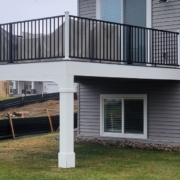
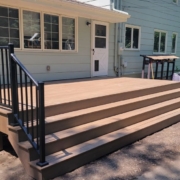
Safety and style go hand in hand with key deck features; if your deck sits more than 30 inches above ground level, building codes typically mandate railings, offering a variety of materials like wood, metal, and cable to blend safety with your desired aesthetic. Stairs, beyond their functional purpose, can also serve as a design statement, ranging from simple constructions to more elaborate designs incorporating lighting for an elevated look. Furthermore, built-in seating provides a space-saving and visually appealing solution for socializing while helping to maintain a tidy deck area.
Light It Up
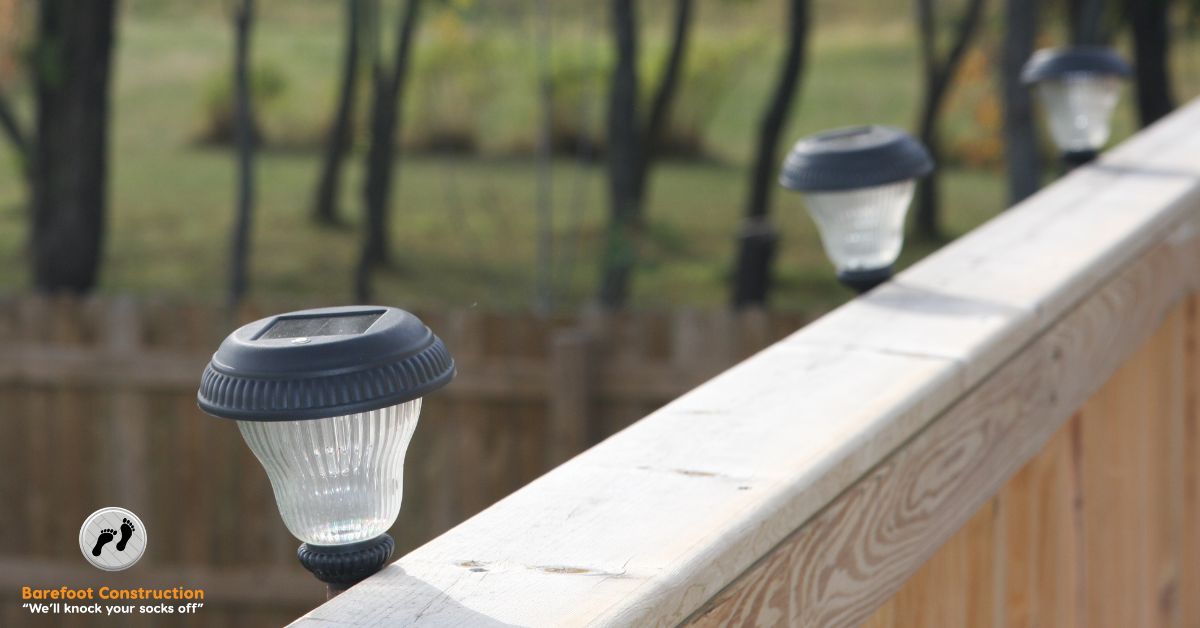
For evening enjoyment and enhanced safety, incorporate ambient lighting such as solar post caps, string lights, or recessed deck lights to cast a warm glow across your deck. Additionally, ensure task-specific areas like outdoor kitchens or grilling stations are well-illuminated, and consider using accent lights to draw attention to architectural details, plants, or the perimeter of your deck.
Weatherproofing Your Masterpiece
 Weatherproofing Your Masterpiece
Protecting your deck’s surface is crucial for longevity and aesthetics; for natural wood, regular sealing or staining every one to two years is essential to guard against moisture, UV damage, and mildew, keeping it looking its best. While composite decking requires less upkeep, a simple cleaning with soap and water a couple of times annually will suffice, ensuring you avoid harsh chemicals that could harm the finish.
Maintenance Tips for the Long Haul
Maintaining your deck doesn’t require extensive effort but significantly extends its lifespan; regularly sweep away debris, power wash it annually, periodically re-tighten screws and inspect for any signs of damage, and touch up the finish as needed. By investing a little time in consistent care, you can ensure your deck remains a beautiful and functional outdoor space for decades to come.
Common Mistakes to Avoid
When embarking on your deck-building project, certain shortcuts can lead to significant problems down the line, so it’s crucial to avoid them entirely. First and foremost, never skip the permit process; the potential risks far outweigh any perceived convenience. Secondly, inadequate drainage planning is a recipe for disaster, as water pooling can inevitably lead to warped boards and rot, compromising the structural integrity and longevity of your deck. Similarly, selecting the appropriate fasteners is paramount; not all screws are suitable for outdoor applications, so ensure you use stainless steel or coated screws designed to withstand the elements. Finally, remember that wood naturally expands and contracts with changes in weather conditions, making it essential to incorporate proper expansion gaps into your design to prevent warping and buckling.
Final Thoughts: Build It. Own It. Love It.
Building a deck isn’t just a project—it’s a statement. It says, “This is my space, and I know how to make the most of it.” With the right planning, materials, and a little elbow grease, you can totally transform your backyard into a personal retreat. Whether it’s a spot for morning meditations or lively weekend cookouts, your new deck is going to become your favorite place to be.
So go grab that tape measure, dust off the drill, and get building. Your dream deck is just a weekend (or two) away.