Choosing the Right Composite Color: 2026 Palette Guide
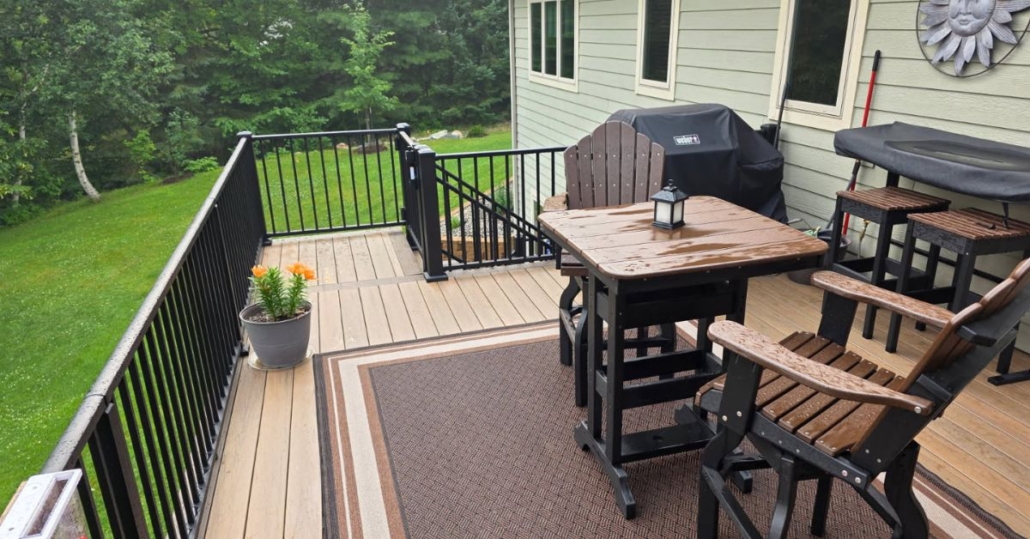
In 2026, Minnesota outdoor design has moved away from stark, high-contrast colors and toward “Grounded Living”—a palette that emphasizes warmth, organic textures, and seamless transitions from the kitchen to the backyard.
At Barefoot Construction, we’ve seen that choosing a deck color isn’t just about aesthetics; it’s about how that color interacts with the intense Minnesota sun in July and the snow-covered landscapes of January. Here is your definitive guide to the composite colors leading the way this year.
The 2026 Trending Palettes
This year, the industry is seeing a shift toward “Greige” and soft, sun-bleached tones. Here are the three most requested color families in the Twin Cities:
1. The Warm Neutrals (The “New Classics”)
Cold, blue-toned grays are officially out. They’ve been replaced by Warm Grays and Beiges (Greige).
- Top Picks: Trex Transcend Lineage in Hatteras or Deckorators Trailstone.
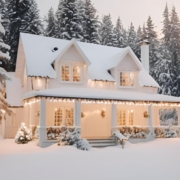
- Why it works: These shades bridge the gap between modern and traditional. They pair perfectly with the popular “Modern Farmhouse” white siding or the natural stone accents found in many Rogers and Blaine homes.
2. Earth-Driven Browns
Homeowners are returning to the look of real wood but without the maintenance. The 2026 browns are rich, matte, and feature subtle woodgrain streaking.
- Top Picks: Trex Havana Gold or Deckorators Sequoia.
- Why it works: These deeper tones provide a cozy, high-end feel. They hide dirt well—a major plus for families with kids and dogs—and create a beautiful contrast against vibrant green Minnesota landscaping.
3. Coastal Driftwood & Sands
Lighter tones are booming because they stay significantly cooler underfoot.
- Top Picks: TimberTech Shoreline or Trex Biscayne.
- Why it works: Lighter colors reflect UV rays rather than absorbing them, which is essential for south-facing decks that get hit with direct sun all day.
 How to Match Your Home’s Exterior
 How to Match Your Home’s Exterior
When selecting your color at our showroom, follow these three rules:
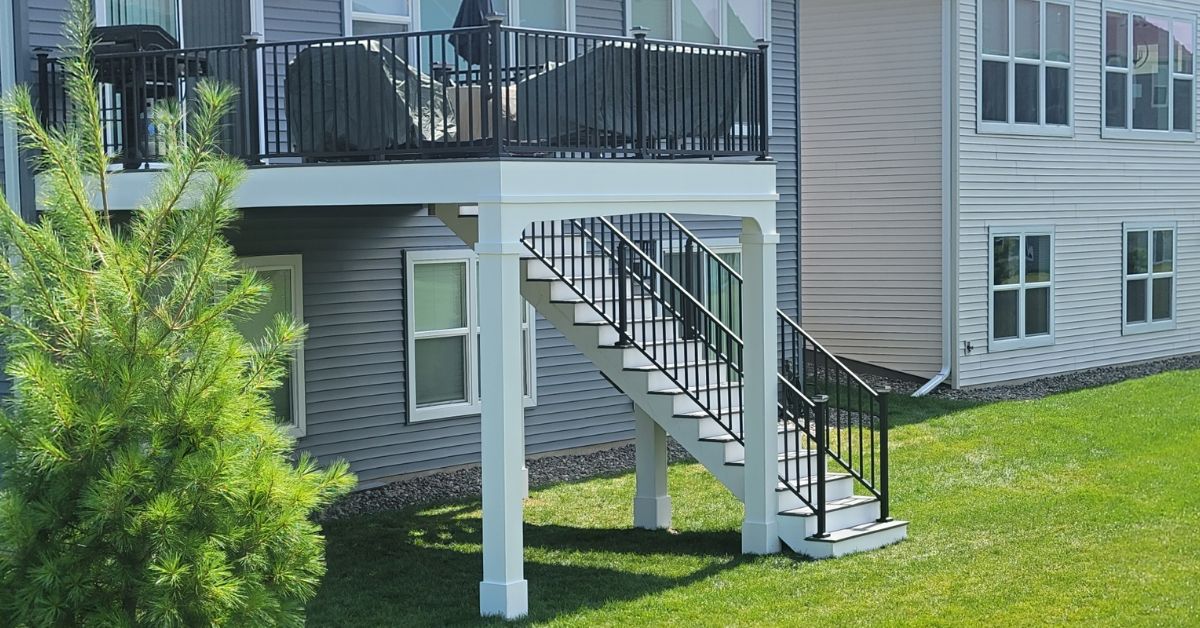
- Coordinate, Don’t Duplicate: If your house is dark brown, don’t pick a dark brown deck. It will look like a “brown blob.” Instead, choose a lighter tan or a warm gray to provide a visual break.
- Consider the “Picture Frame”: A massive trend for 2026 is using a darker “border” board around the edge of a lighter-colored deck. This adds architectural interest and helps define the space.
- Test in the Sunlight: Always take a physical sample to your backyard. A color that looks great under showroom LED lights can look completely different under the bright, blue Minnesota sky.
FAQ
Which composite colors stay the coolest in the sun?
Lighter colors like sand, light gray, and tan stay the coolest. Additionally, many 2026 premium lines (like Trex Lineage) feature heat-mitigating technology designed specifically to reduce surface temperatures.
Do dark deck colors fade faster?
High-quality composite materials are engineered with UV inhibitors. While all materials experience some minor “weathering,” modern caps (the outer shell) on boards from brands like Trex and TimberTech are designed to resist significant fading for 25–50 years.
Should my deck color match my indoor flooring?
Matching the undertone (warm vs. cool) of your indoor flooring helps create a “seamless transition,” making your interior living space feel like it extends right out onto the deck.