Building a Low-Maintenance Deck: Material Options and Installation Tips
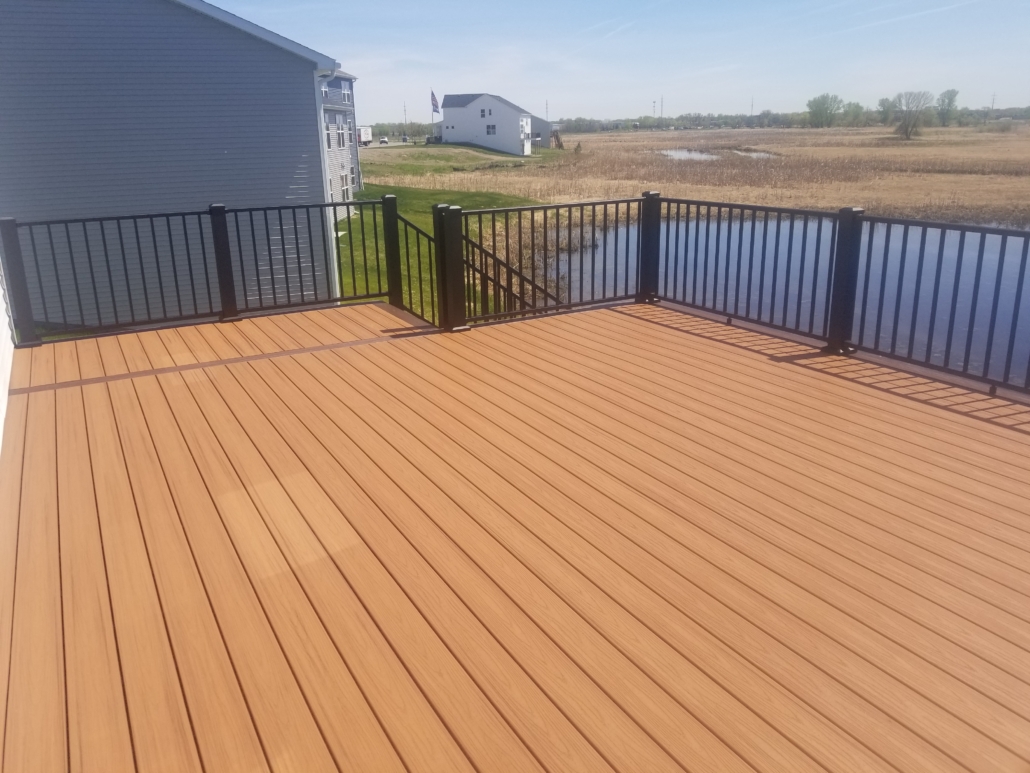
An outdoor deck is the ultimate backdrop for Minnesota summers—from backyard barbecues in July to crisp autumn evenings. However, traditional wood decks require relentless upkeep, including annual staining, sealing, and sanding. If you would rather spend your weekends relaxing than power-washing, a low-maintenance deck is the perfect solution.
Building a deck that withstands Minnesota’s freezing winters and humid summers requires the right materials and smart construction techniques. Here is everything you need to know about choosing low-maintenance decking and ensuring a flawless installation.
Best Low-Maintenance Decking Materials
When it comes to bypassing the upkeep of traditional lumber, you have two premier options. Both eliminate the threat of splinters, rotting, and seasonal painting.
1. Composite Decking
Composite decking is crafted from a blend of recycled wood fibers and plastic polymers.
- The Look: Modern composites feature incredibly realistic wood-grain patterns and rich color blending.
- The Benefits: It won’t warp, rot, or splinter. High-quality capped composites are also highly resistant to staining and fading from UV rays.
- Minnesota Durability: Excellent. The capped outer shell protects the core from heavy snow accumulation and moisture runoff.
2. PVC Decking (Cellular PVC)
Unlike composite, PVC decking contains 100% synthetic material (no wood fibers whatsoever).
- The Look: Sleek, clean, and available in a wide array of premium matte finishes.
- The Benefits: Because it contains no organic material, it is entirely impervious to mold, mildew, and moisture damage. It is also lighter weight than composite.
- Minnesota Durability: Outstanding for lakeside homes or pool surrounds where moisture levels are consistently high.
Pro Installation Tips for Minnesota Decks
Choosing a premium material is only half the battle. To ensure your low-maintenance deck lasts for decades under extreme Midwest weather conditions, pay close attention to these installation best practices:
- Account for Thermal Expansion: Synthetic materials expand and contract with temperature fluctuations. A deck installed during a chilly Minnesota spring will expand in the summer heat. Proper gapping between boards is essential to prevent warping or buckling.
- Use Hidden Fasteners: To maintain a sleek, modern aesthetic and prevent water from pooling in screw holes, utilize hidden fastening systems compatible with grooved-edge boards.
- Ensure Proper Joist Spacing: Composite and PVC boards are generally more flexible than traditional wood. Ensure your underlying frame’s joists are spaced correctly (typically 16 inches on center for straight decking, or 12 inches for diagonal layouts) to prevent a bouncy, unsupportive floor.
- Protect the Substructure: While your deck boards won’t rot, the wooden frame underneath still can. Apply joist flashing tape over the tops of your wooden joists to shield them from trapped moisture and snowmelt.
 FAQ
FAQ
 FAQ
FAQDoes low-maintenance decking get hot in the summer?
Yes, synthetic materials can absorb heat when exposed to direct sunlight. However, modern lighter-colored composites and advanced PVC formulas are designed to dissipate heat much faster than older generations of synthetic decking.
Can I use a pressure washer on a composite deck?
While you can use a pressure washer, you must keep it at a low pressure setting (under 1500 PSI) and use a wide fan tip held at least 12 inches from the surface. Often, a simple rinse with a garden hose, mild soap, and a soft-bristle brush is all that is required.
How long do low-maintenance decks typically last?
When properly installed, high-quality composite and PVC decks frequently last between 25 to 30+ years, and most premium manufacturers back their products with extensive warranties covering fading and staining.