Composite Decking vs. Wood: What Minnesota Homeowners Should Decide Before Next Spring
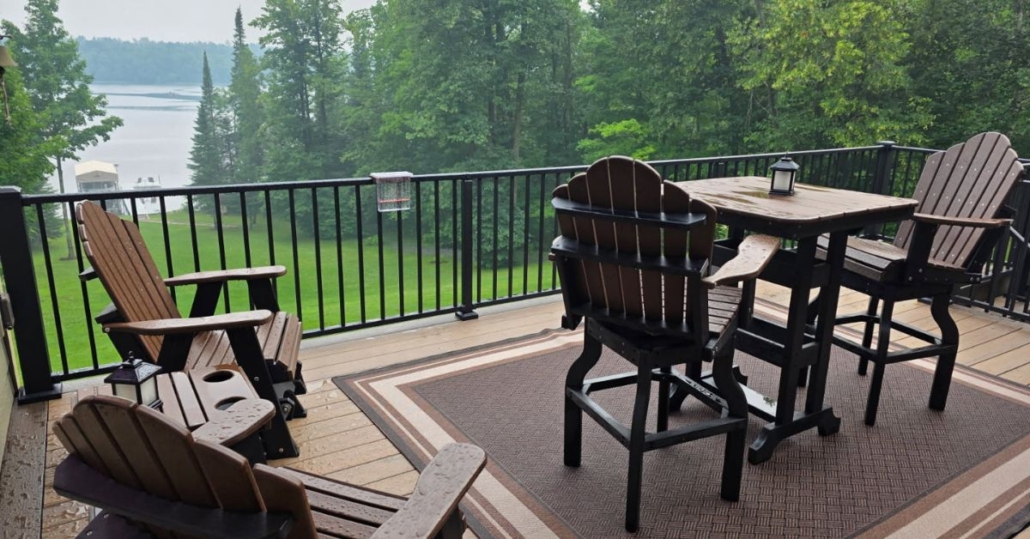
If you’re a Minnesota homeowner planning to build or replace a deck before next spring, you may be asking yourself one key question: Should I choose composite decking or traditional wood? Both options have benefits, but climate, maintenance, cost, and long-term value play a major role in your decision.
This guide will help you compare composite decking vs. wood decking so you can make the right investment for your home.
Why Decking Choice Matters in Minnesota
Minnesota’s harsh winters, freeze–thaw cycles, and humid summers put extra stress on outdoor structures. Decking materials expand and contract, face snow loads, and deal with moisture. Choosing the right material now can save you money, time, and frustration in the years ahead.
Composite Decking: Pros and Cons
Composite decking is made from a blend of recycled plastics and wood fibers, offering a durable, low-maintenance alternative to wood.
Pros:
- Low maintenance – No staining, sanding, or sealing required.
- Moisture resistant – Less likely to rot, warp, or splinter.
- Variety of colors and textures – Can mimic wood grain while offering modern looks.
- Long lifespan – Often comes with warranties of 25 years or more.
Cons:
- Higher upfront cost compared to pressure-treated wood.
- Can get hotter under direct sunlight.
- Less natural look compared to real wood (though premium brands look very close).
Wood Decking: Pros and Cons
Wood decking remains a popular choice, especially for homeowners who love the natural look and feel of real wood.
Pros:
- Lower initial cost – Pressure-treated lumber is generally less expensive.
- Classic, natural beauty – No substitute for real wood grain.
- Can be customized with stains, paints, or finishes.
Cons:
- High maintenance – Needs staining or sealing every 1–2 years in Minnesota.
- Shorter lifespan – Prone to rot, warping, splintering, and insect damage.
- Total cost of ownership may be higher due to ongoing maintenance.
Cost Comparison: Composite vs. Wood
While wood may cost less upfront, composite decking often proves more cost-effective over time. For example:
- Wood decking (pressure-treated pine): $15–$25 per square foot installed, plus yearly maintenance.
- Composite decking: $25–$45 per square foot installed, with little to no yearly maintenance.
In Minnesota, where weather is tough on wood, many homeowners find the long-term value of composite outweighs the initial price difference.
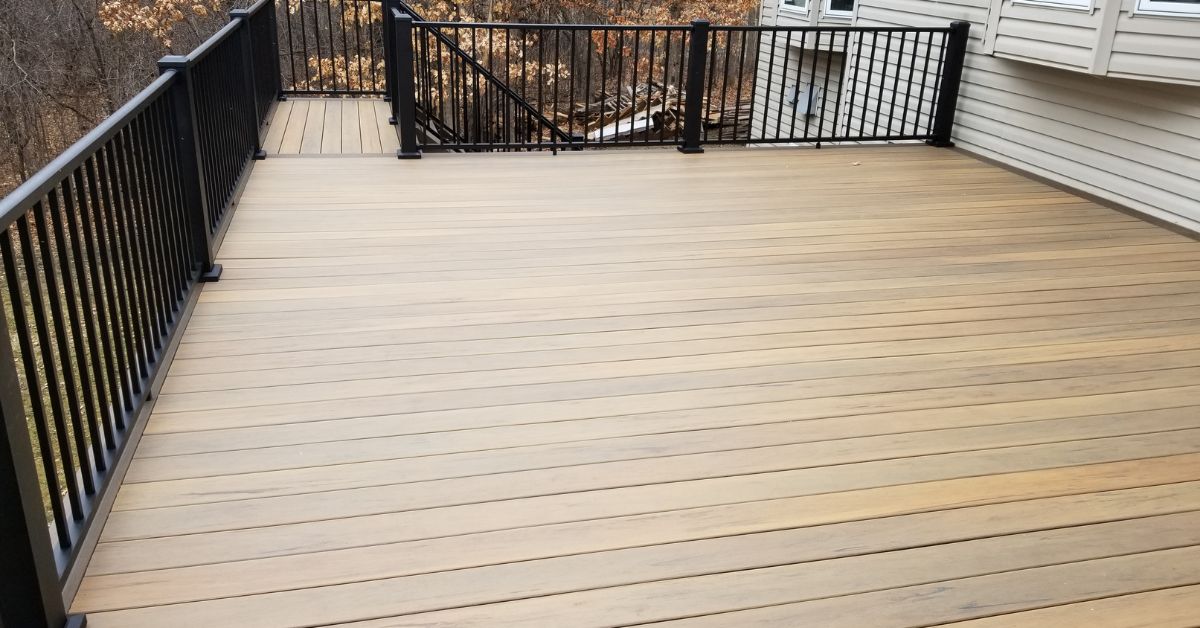 What Minnesota Homeowners Should Consider Before Spring
When planning your deck project for next spring, think about:
- Budget: Can you afford the higher upfront cost of composite for long-term savings?
- Maintenance tolerance: Do you enjoy DIY maintenance, or prefer a low-maintenance solution?
- Resale value: Composite decks often appeal more to future buyers.
- Climate resilience: Composite holds up better to Minnesota’s weather extremes.
Final Thoughts
Both composite and wood decking have their place in Minnesota homes. If you want timeless beauty at a lower upfront price, wood may be the right choice. But if you’re looking for durability, low maintenance, and long-term value, composite decking is often the better investment.
Planning now gives you time to compare materials, get quotes, and be ready to enjoy your new deck by next summer.
FAQs: Composite Decking vs. Wood in Minnesota
1. Does composite decking get slippery in winter?
Most brands are designed with slip-resistant textures, but like any material, snow and ice should be cleared promptly.
2. How long does a wood deck last in Minnesota?
Pressure-treated pine may last 10–15 years with regular maintenance, while cedar or redwood can last longer.
3. How long does composite decking last?
Many composite decks last 25–30 years or more with minimal upkeep.
4. Is composite decking worth the cost in Minnesota?
Yes—especially if you prefer low maintenance and durability in a climate with heavy snow and moisture.
5. Can I mix composite and wood?
Yes. Some homeowners choose a composite surface with wood framing, balancing durability and cost.