Composite vs. Wood Decks: Pros and Cons of Each Material

Decks are a fantastic way to expand your living space and enjoy the outdoors. But when it comes to building a deck, a crucial decision you’ll face is the choice of material. Two popular options are wood and composite decking. Each has its own set of advantages and disadvantages, so it’s essential to understand them before making your final decision.
Wood Decking: The Classic Choice
For decades, wood has reigned supreme as the go-to material for decks. And with good reason! Its timeless natural aesthetic offers undeniable charm, seamlessly blending with any architectural style. The beautiful variations in wood grain and the rich color palette add a touch of elegance and warmth to your outdoor space, creating a truly inviting atmosphere. But there’s more to wood decks than just good looks.
Wood decking is also a budget-friendly option. Pressure-treated lumber, the most commonly used type of wood for decks, is generally more affordable compared to composite materials. This can be a significant advantage if you’re working with a limited budget. Additionally, for those who are handy and enjoy DIY projects, wood decks can be a rewarding project to tackle yourself. With basic carpentry skills and the wealth of online resources and tutorials available, you can find everything you need to guide you through the installation process, allowing you to take pride in building your own outdoor oasis.
 Composite Decking: The Low-Maintenance Option
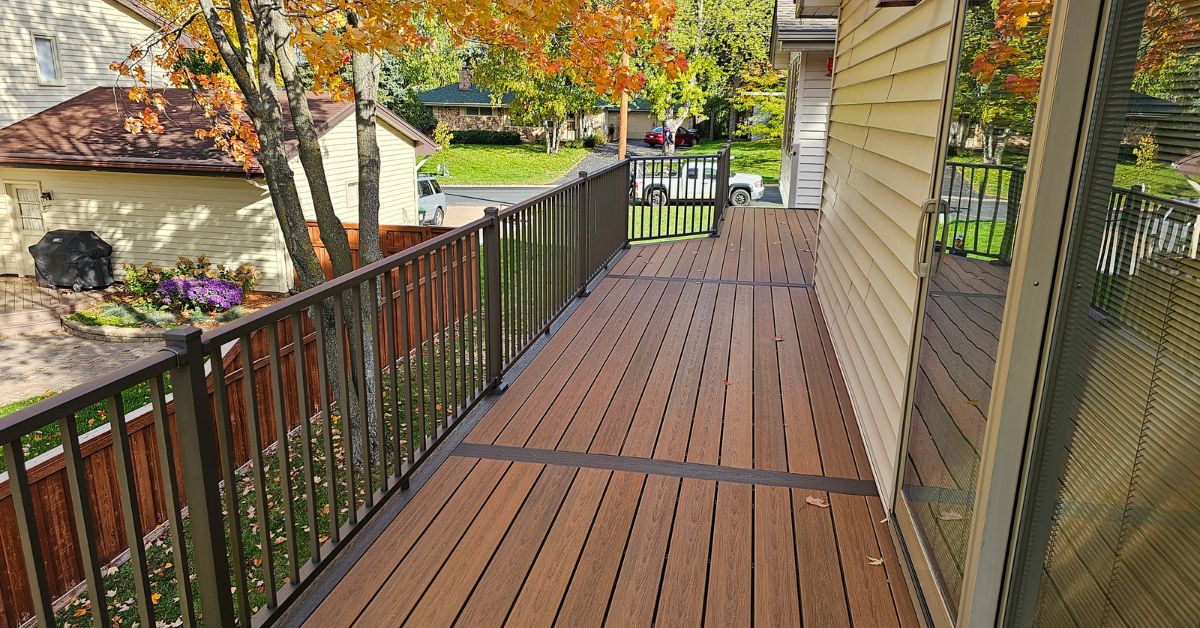 Composite Decking: The Low-Maintenance Option
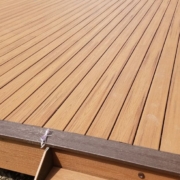
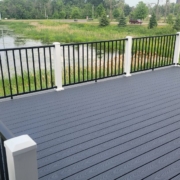
Composite decking has emerged as a strong contender in the decking world, rapidly gaining popularity in recent years. This innovative material is a unique blend of wood fibers and plastic polymers, offering a compelling combination of aesthetics and practicality. One of the most significant advantages of composite decking is its low-maintenance nature. Unlike traditional wood decks, composites require significantly less upkeep. They typically don’t need the routine staining or sealing that wood demands, and they are resistant to warping, cracking, and splintering. Regular cleaning with just soap and water is usually sufficient to keep your composite deck looking its best.
But the benefits of composite decking extend beyond low maintenance. These decks are built to last. Composite materials boast exceptional durability, withstanding harsh weather conditions like rain, snow, and UV rays without showing signs of wear. They are also resistant to rot, insect damage, and mold growth, making them a perfect choice for areas with extreme weather variations. This translates to a much longer lifespan compared to wood decks. With minimal maintenance, composite decks can last a remarkable 25 years or even longer.
Choosing Between Composite and Wood Decking
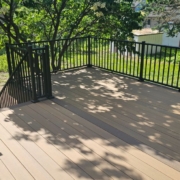
Selecting the ideal deck material hinges on your priorities and budget. For the budget-conscious, pressure-treated wood might be initially appealing. However, when factoring in long-term maintenance costs, composite decking can prove more economical. If low maintenance is a priority and you have limited time for upkeep, composite decks are the clear winner. Durability is another key consideration. For areas with harsh weather, composite decking’s superior resistance to the elements makes it a smart choice. When it comes to aesthetics, wood offers a classic natural look. However, high-quality composite decks with realistic wood-grain patterns can provide a beautiful compromise that delivers the warmth of wood with the benefits of lower maintenance.
Additional Considerations
Beyond the core material choice, there are some additional factors to consider for your deck. Environmental impact is one aspect to ponder. While some composite decks are made from recycled materials, the manufacturing process itself can have a larger environmental footprint compared to wood. However, the extended lifespan of composite decking can balance this out to some degree. Availability is another consideration. Composite decking is becoming increasingly common, but it might still be less readily available in certain areas compared to pressure-treated lumber. Finally, don’t forget to compare the warranties offered by manufacturers of both wood and composite decking materials. A longer warranty can provide peace of mind and assurance about the product’s quality.
The Final Verdict: Composite vs. Wood Decking
Composite and wood decking both offer distinct advantages and disadvantages. The best choice for you will depend on your budget, desired level of maintenance, and the importance of aesthetics.
 If you crave a classic look, enjoy working with wood, and have the time for regular maintenance, then a wood deck might be the perfect choice. For those who prioritize low maintenance, durability, and a long lifespan, composite decking offers a compelling alternative.
No matter which material you choose, a well-built deck can add significant value and enjoyment to your outdoor space. Take your time, weigh the pros and cons, and don’t hesitate to consult with deck-building professionals for guidance. With the right information and planning, you can create a beautiful and functional deck that you’ll enjoy for years to come.