Understanding Composite Decking: Materials, Performance and Benefits
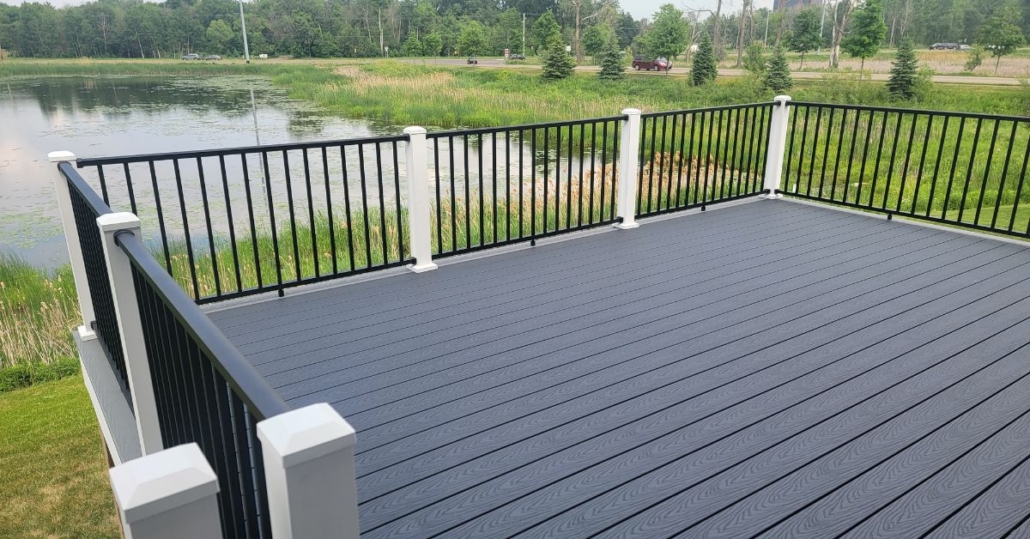
For many homeowners, a deck is an extension of their living space, a place to relax, entertain, and enjoy the outdoors. But choosing the right decking material can be a challenge. Traditional wood decks offer a classic aesthetic but require constant maintenance. Treated lumber offers improved durability, but can still warp, crack, and fade over time. This is where composite decking comes in.
What is Composite Decking?
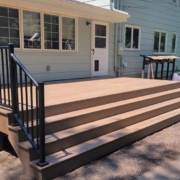
Composite decking is a manufactured lumber alternative that combines wood fibers with plastic polymers. The wood fibers typically come from recycled wood sources like sawdust or woodchips, making composite decking an eco-friendly option. The plastic polymers, most commonly polyethylene (PE) or polyvinyl chloride (PVC), provide strength, durability, and weather resistance.
The exact ratio of wood to plastic can vary depending on the manufacturer and the desired performance characteristics of the decking board. Generally, a higher wood content offers a more natural look and feel, while a higher plastic content provides superior weather resistance and lower maintenance requirements.
 The Benefits of Composite Decking
 The Benefits of Composite Decking
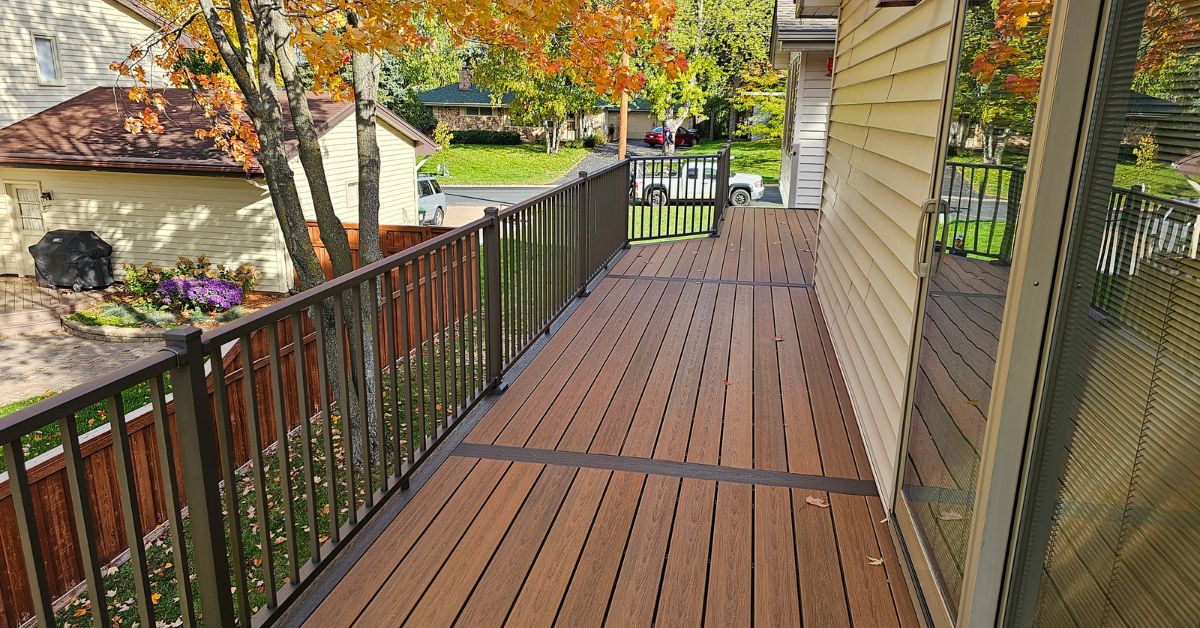
Composite decking has emerged as a favorite among homeowners for a multitude of reasons. One of the most significant advantages is its low maintenance requirement. Unlike traditional wood decks that demand regular staining, sealing, and power washing, composite decks are a breeze to care for. Most only require occasional cleaning with soap and water to maintain their attractive appearance, freeing up your time and effort for other pursuits.
Durability is another key benefit. Composite decking boasts superior resistance to warping, rotting, splintering, and insect damage. This translates to a significantly longer lifespan compared to wood decks. You can expect a composite deck to last 25 years or even longer, providing lasting value for your investment. Furthermore, composite decking is designed to weather the elements with ease. Rain, snow, and harsh sunlight pose no challenge. The colors won’t fade excessively over time, and the boards won’t succumb to cracking or warping due to moisture fluctuations, ensuring your deck retains its beauty and functionality for years to come.
Understanding Composite Decking Performance
While composite decking boasts numerous advantages over traditional wood, it’s essential to consider its performance characteristics before making a decision. One key factor is upfront cost. Composite decks generally require a higher initial investment compared to wood decks. However, the long-term value proposition is significant. Composite decking’s lower maintenance needs and extended lifespan can translate to substantial cost savings over time.
Another factor to keep in mind is fade resistance. While composite decking significantly outperforms wood in this area, some slight color change can occur over time. The extent of fading depends on the quality of the materials used and the amount of direct sunlight exposure the deck receives.
Finally, be aware of heat retention. Composite decking can absorb heat from the sun, making it uncomfortable to walk on barefoot during hot days. Opting for lighter colored deck boards can help alleviate this issue.
Choosing the Right Composite Decking
The beauty of composite decking lies in its versatility. With a wide spectrum of options available, you can craft the perfect outdoor space to match your needs and design vision. However, navigating this variety can feel like a challenge. To ensure an informed decision, keep these key factors in mind:
 Consider both budget and value. Composite decking spans a price range based on brand, quality, and features. Set a realistic budget at the outset. While premium options might boast advanced features or luxurious aesthetics, excellent quality decking exists within a moderate range. Remember, composite decking is an investment, and its lower maintenance requirements translate to significant cost savings compared to traditional wood decks over time.
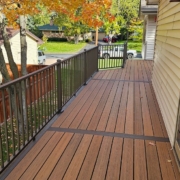
Think about how you’ll use your deck and the overall aesthetic you desire. Composite decking offers a stunning array of colors, textures, and finishes, allowing you to achieve a natural wood grain look or a modern, sleek aesthetic. Look beyond aesthetics and consider performance needs as well. If your deck will be a high-traffic area or experience harsh sunlight, prioritize features like strength, durability, and fade resistance. Many composite decking options also boast superior slip resistance, making them ideal for poolside applications or areas with frequent rain.
The Long-Lasting Beauty of Composite Decking
Composite decking offers a compelling alternative to traditional wood decks. With its low maintenance requirements, durability, weather resistance, and attractive aesthetics, composite decking is a great choice for homeowners who want a beautiful and long-lasting outdoor living space. By understanding the materials, performance characteristics, and benefits of composite decking, you can make an informed decision and enjoy your deck for years to come.