Building a Deck in Minnesota: Local Considerations and Best Practices

Thinking of building a deck in Minnesota? Great choice! A deck isn’t just an extension of your home; it’s an invitation to enjoy those long summer evenings and even the snowy winter mornings. But hold on—before you grab your hammer, let’s talk about what makes Minnesota deck building unique and how to avoid costly mistakes.
Understanding Minnesota’s Climate
Minnesota’s climate is no joke. You’re dealing with extremes—frigid, snowy winters and hot, humid summers. This means you’ll need materials and designs that can handle drastic temperature changes and moisture. For instance, composite decking often stands up better to the freeze-thaw cycles than traditional wood. Pressure-treated lumber is also a solid option, but don’t forget that moisture can warp cheaper woods.
Navigating Local Building Codes
Minnesota has specific building codes for decks, which can vary by city or county. For example, Minneapolis might have slightly different requirements than Duluth. Key things to look out for include:
-
Footings: Must be set below the frost line, which can be as deep as 42 inches or more.
-
Railings: If your deck is more than 30 inches off the ground, you’ll need guardrails that are at least 36 inches high.
-
Permits: Always check with your local municipality. In most cases, you’ll need a permit before you even start digging.
Choosing the Right Materials
Here’s where you can really make or break your deck. In Minnesota, it’s all about durability. Sure, cedar and redwood look gorgeous, but they might not hold up to years of harsh winters unless properly maintained. Composite materials like Trex or TimberTech offer low-maintenance alternatives that resist rot and warping. And don’t overlook galvanized or stainless-steel fasteners—these won’t rust when the snow melts.
Deck Design Tips for Minnesota Homes
Let’s be honest—decks aren’t just functional; they’re also about curb appeal and lifestyle. Here are some design ideas that make sense for Minnesota:
-
Covered Decks: A roof or pergola can provide shade in summer and protection from snow in winter.
-
Multi-Level Decks: If your yard has a slope, consider a multi-level design to maximize space and create interest.
-
Heated Elements: Radiant heat panels or heated mats can keep your deck usable even when it’s icy.
Foundation and Footings
Your deck’s footings need to be rock-solid. In Minnesota, frost heave is a serious concern—when the ground freezes, it can push footings up, making your deck unstable. The solution? Dig footings below the frost line and use concrete piers. For added stability, consider using Bigfoot systems or similar footing forms.
Dealing with Moisture and Drainage
Water is your deck’s enemy. Between snowmelt and summer rains, you’ll need a solid drainage plan. Install a slight slope (about 1/8 inch per foot) to direct water away from the house. Also, use flashing where the deck connects to the house to prevent water intrusion. If you’re adding a waterproof underdeck system, make sure it’s designed for Minnesota’s freeze-thaw conditions.
Winterizing Your Deck
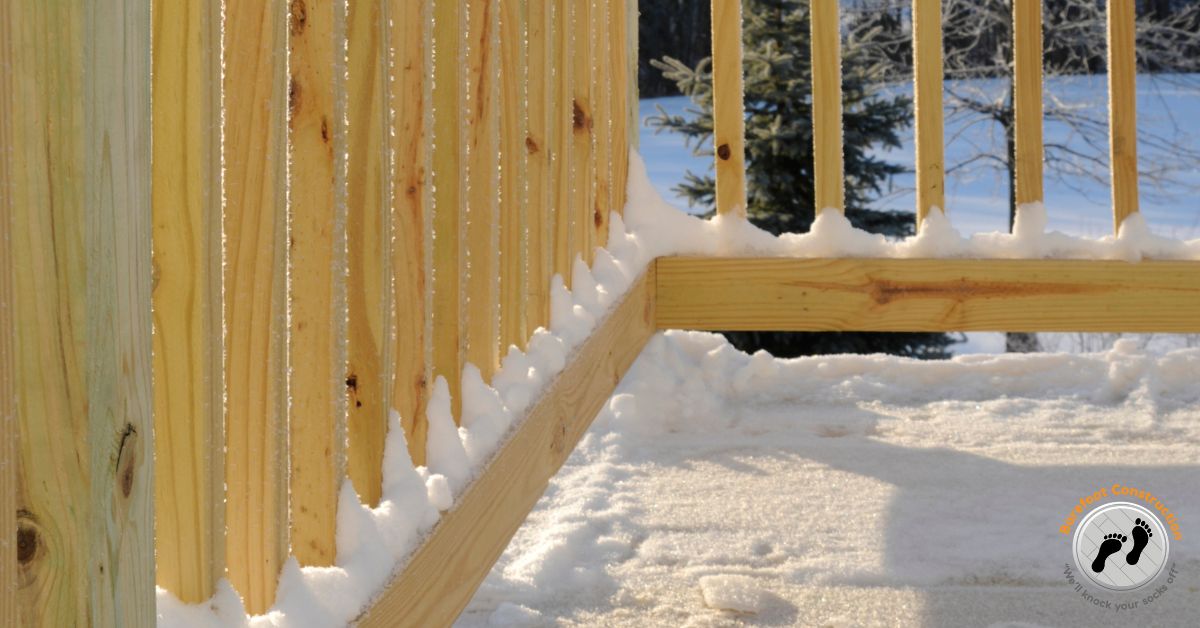
Don’t wait until the first snow falls. Start by cleaning off debris and dirt. Apply a high-quality sealant to wood decks to repel moisture. If you have a composite deck, a simple cleaning will usually do. Cover any exposed wood, and consider investing in a deck cover or awning to minimize snow accumulation.
 Permitting Process in Minnesota
 Permitting Process in Minnesota
Permitting can be a bit of a headache, but it’s crucial. Most municipalities require a building permit, and they’ll want to see detailed plans, including dimensions, materials, and foundation designs. Be prepared for an inspection both during and after construction. Failing to get a permit can result in fines or even being forced to remove the deck.
Cost Considerations
Building a deck in Minnesota isn’t cheap, but it’s worth the investment. Costs can vary widely depending on size, materials, and design complexity. On average, expect to spend between $20 to $60 per square foot. Labor costs are higher if you hire professionals, but DIY can save you money—if you know what you’re doing. Just remember to factor in the cost of permits, tools, and any subcontracting for electrical or gas lines.
Maintenance Tips
A well-maintained deck can last for decades. Here’s a simple routine for Minnesota homeowners:
-
Spring: Inspect for damage, clean, and reseal wood surfaces.
-
Summer: Keep it clean and check for loose boards or nails.
-
Fall: Clear off leaves and debris, check for rot, and cover if necessary.
-
Winter: Sweep off snow to prevent ice buildup, and avoid using salt, which can damage wood and composite surfaces.
Hiring a Contractor vs. DIY
Unless you’re an experienced builder, consider hiring a professional contractor. They know the local codes, have the right tools, and can save you from costly mistakes. However, if you’re confident in your skills and have the time, a DIY deck can be a rewarding project. Just make sure you’re prepared for the physical labor and the paperwork.
Safety Considerations
Safety should always be a priority. Use slip-resistant materials, especially if you plan to use your deck in the winter. Make sure your railings and stairs meet code requirements, and always check for loose boards or fasteners. If you’re installing lighting or heaters, consult a licensed electrician or plumber to ensure everything is up to code.
Building a Deck in Minnesota
Building a deck in Minnesota is a fantastic way to expand your living space and enjoy the great outdoors, but it comes with its own set of challenges. From navigating strict building codes to choosing weather-resistant materials, every step needs careful planning. Whether you’re a DIY enthusiast or hiring a pro, keeping these local considerations and best practices in mind will help you build a safe, beautiful, and long-lasting deck.