Adding Value: How a Home Addition Can Increase Your Home’s Worth
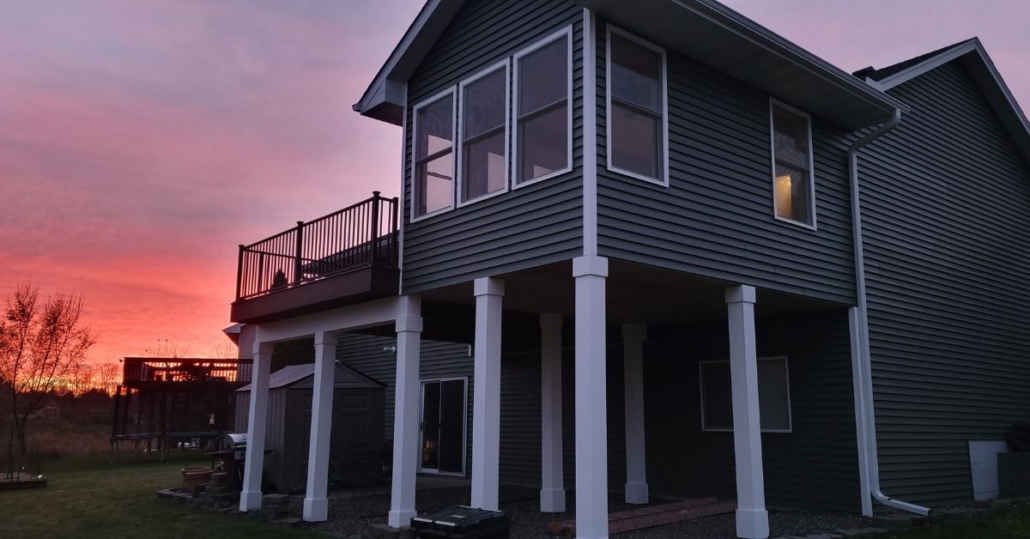
So, you’re standing in your kitchen, imagining what it would be like with an extra room, a second story, or maybe a sun-soaked home office. Sounds dreamy, right? But here’s the kicker—beyond the comfort and extra square footage, a well-planned home addition can seriously boost your home’s value. It’s not just about more room to breathe—it’s a long-term investment. Let’s break down exactly how.
Why Home Additions Matter in Real Estate
Real estate is all about perceived value. Square footage is king, and layout is queen. When you expand your home, you’re not just adding walls and windows—you’re redefining how people see your property.
More Space = More Value
The National Association of Realtors constantly finds that homes with additional usable space command higher prices. Whether it’s a new bedroom, bathroom, or finished basement, buyers see bonus space as a major perk.
Improved Functionality
Sometimes, it’s not about more space—it’s about better use of space. A new home office or guest suite can make a house more livable and appealing to modern buyers.
Types of Home Additions That Add the Most Value
Not all additions are created equal. Some will give you a serious return on investment (ROI), while others may be more about personal enjoyment.
1. Master Suite Additions
Adding a luxurious master bedroom with an en-suite bathroom? Yes, please. This addition can increase comfort and resale appeal. Homebuyers love a private retreat.
2. Additional Bathrooms
An extra bathroom can relieve household stress and boost value big time. Especially in homes with only one or one-and-a-half baths, another full bath can be a game-changer.
3. Kitchen Expansions
Nobody ever said, “This kitchen is too big.” An expanded or open-concept kitchen is a top seller. Think breakfast nooks, islands, and smart storage.
4. Finished Basements or Attics
These are often underused spaces. Converting them into game rooms, guest quarters, or media centers can skyrocket usability and home value.
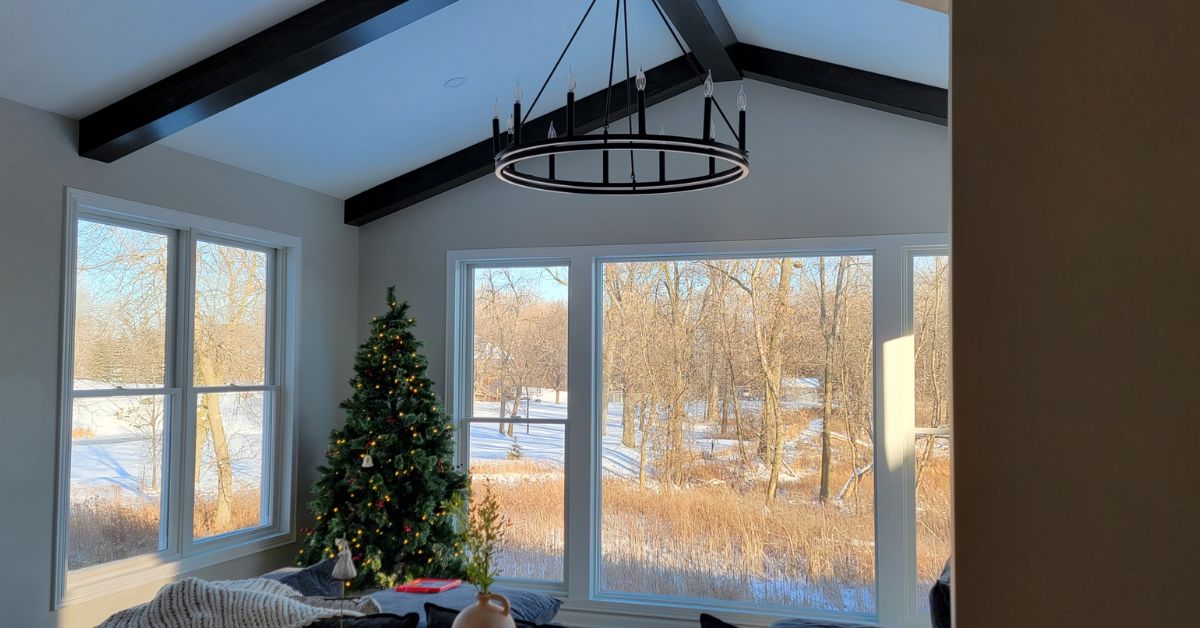
5. Sunrooms and Enclosed Porches
These cozy spots blend the outdoors with indoor comfort. While they might not offer the highest ROI, they do enhance lifestyle and buyer appeal.
Understanding Return on Investment (ROI)
Let’s get down to dollars and cents. What’s the payoff?
-
Bathroom Addition: ~50% ROI
-
Major Kitchen Remodel: ~55–80% ROI
-
Two-Story Addition: ~65% ROI
-
Deck or Patio Addition: ~70% ROI
-
Home Office Addition: ~45–60% ROI
These numbers aren’t absolute, but they give you an idea of what’s possible. Keep in mind: ROI depends on location, quality of the work, and market demand.
 Building Smart: Planning Your Home Addition
 Building Smart: Planning Your Home Addition
Jumping into a home addition without a solid plan? That’s like baking a cake without a recipe. Here’s how to do it right.
Set a Realistic Budget
Budget creep is real. Always account for permits, design fees, labor, materials, and a 10–15% buffer for the unexpected. It adds up quickly, so be prepared.
Get Permits (Yes, You Need Them!)
Skipping permits might seem tempting, but it’s a huge mistake. Unpermitted work can affect insurance claims, cause legal issues, and hurt resale value.
Hire Qualified Professionals
This is not a DIY project for the weekend warrior. Architects, contractors, electricians—they’re worth the money. Make sure everyone is licensed and insured.
Designing for the Future
When adding on to your home, think beyond today’s needs. Ask yourself:
-
Will this addition still work for us in 10 years?
-
Will it appeal to future buyers?
-
Am I matching the style of the existing structure?
Smart design means balancing your vision with long-term usability and resale.
Common Mistakes to Avoid
Overbuilding for the Neighborhood
Adding a massive wing to a modest home in a low-key neighborhood might not get you the return you expect. Keep upgrades in line with local comps.
Ignoring Flow and Layout
An addition that feels like an afterthought can be a turn-off. Think about how the new space integrates with the old. Open it up, keep it natural.
Underestimating Costs and Timelines
Home additions almost always take longer and cost more than you think. Be mentally and financially prepared.
The Emotional Payoff
Sure, we’ve talked about numbers and ROI. But let’s not ignore the emotional perks. A home addition can:
-
Eliminate the need to move
-
Improve family harmony (especially with more bathrooms!)
-
Enhance your lifestyle and daily comfort
This isn’t just construction—it’s transformation.
Financing Your Addition
Not everyone has $50K+ lying around. So how do you pay for that dream project?
Home Equity Loans or Lines of Credit (HELOCs)
If you’ve built up equity, these can be smart ways to fund your addition with relatively low interest rates.
Cash-Out Refinance
Refinance your mortgage for more than you owe and use the difference to fund your project.
Personal Loans
These can work for smaller additions or if you don’t want to touch your mortgage.
Selling? Here’s How a Home Addition Helps
 Selling? Here’s How a Home Addition Helps
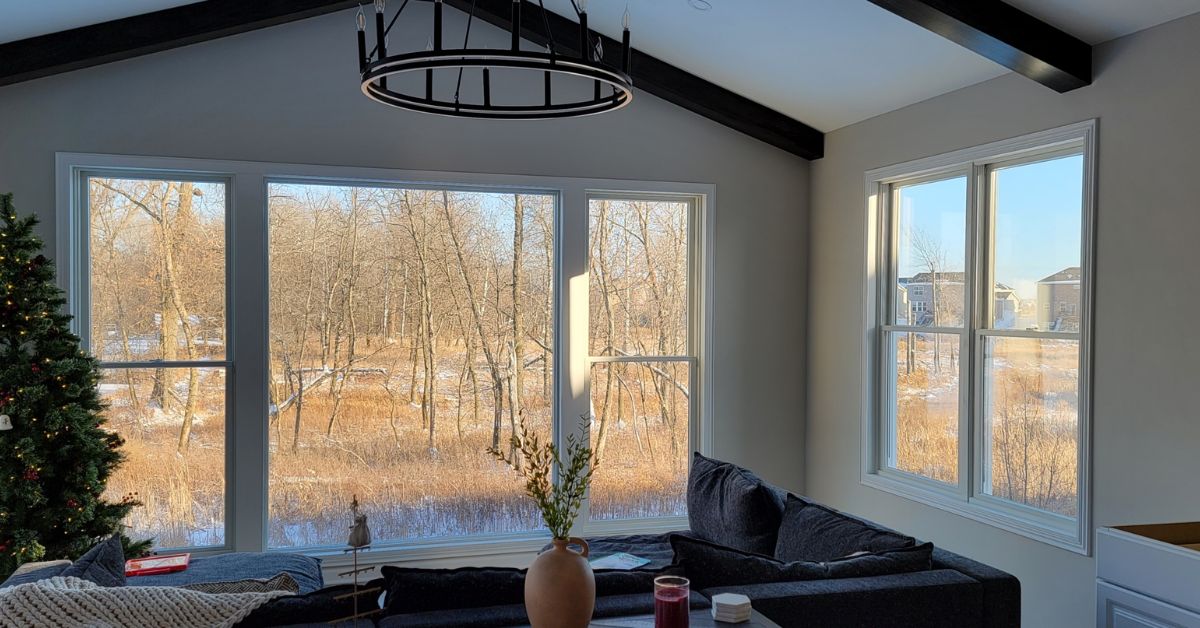
If you’re planning to sell, a tasteful, well-executed addition can:
-
Make your listing stand out
-
Justify a higher asking price
-
Appeal to broader buyer needs (multi-gen living, remote work, etc.)
Homes with flexible space are hot in today’s market. Make yours the one that checks all the boxes.
Think Beyond Square Footage
Adding value to your home isn’t just about stacking bricks or laying down new flooring. It’s about improving how you live while making a smart investment in your property’s future. From the moment you start dreaming about that new family room, guest suite, or gourmet kitchen, you’re not just building space—you’re building value.
A home addition done right can give you more comfort now and a bigger payoff later. It’s the best of both worlds, wrapped up in drywall and fresh paint.