Is Your Old Wood Deck Safe? 5 Hidden Structural Warnings to Check This June
June has arrived in Minnesota, bringing the peak of outdoor graduation parties, Father’s Day barbecues, and warm summer nights. Before you load up your outdoor space with heavy patio furniture, grills, and groups of friends, there is a critical question you need to ask: Is your old wood deck actually safe?
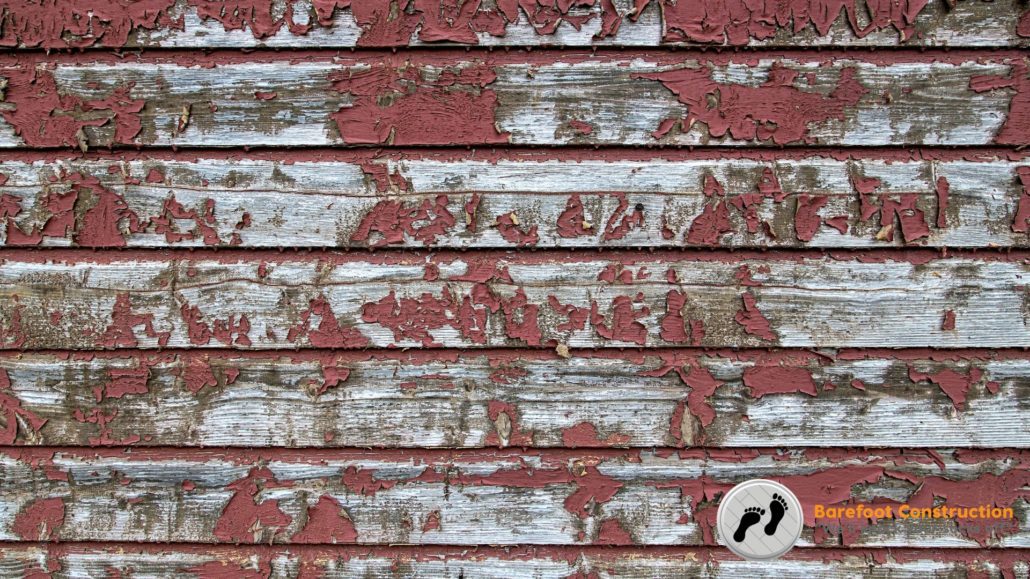
Because decks sit outside year-round—enduring our harsh, sub-zero Twin Cities winters and humid summers—structural wood degrades over time. Many structural issues occur underneath the surface, hidden entirely from view.
According to home safety standards, residential decks should be thoroughly inspected every spring. At Barefoot Construction, your safety is our absolute priority. Grab a flashlight and a screwdriver this June, head underneath your deck, and check for these five hidden structural warning signs.
1. Wood Rot at the Ledger Board
The ledger board is the thick piece of lumber that fastens your deck directly to the framing of your house. It is the single most critical point of failure; if the ledger board detaches, the entire deck can collapse.
- What to look for: Look up where the deck meets your home. Check for dark, soft, or spongy spots in the wood.
- The Screwdriver Test: Gently poke the wood with a flathead screwdriver. If the wood flakes away easily or the screwdriver sinks into the lumber without much force, you are dealing with active wood rot.
2. Rusted or Missing Flashing
Flashing is a thin, protective metal barrier installed over the ledger board. Its job is to redirect rainwater away from your home’s structure.
When flashing is missing or rusted through, water seeps directly behind the siding. In Minnesota’s humid June weather, trapped moisture creates a breeding ground for wood-destroying rot. If the house rim joist rots out, the bolts holding your deck lose their grip entirely.
 3. Loose or Rusted Joist Hangers and Fasteners
 3. Loose or Rusted Joist Hangers and Fasteners
Take your flashlight and inspect the metal brackets (joist hangers) holding the structural floor joists in place.
Look closely at the hardware:
- Corrosion: Heavy, flaking rust eats away at structural integrity.
- Wrong Nails: Decks must be built using galvanized, weather-resistant nails or structural screws. If a past builder used standard indoor screws, the shifting of the wood can snap them completely.
- Backing Out: Look for nails or screws that are physically backing out of the wood hangers.
4. Wobbly Railings and Posts
A sturdy railing should feel entirely rigid. If you lean against your deck railing and feel even a slight sway or give, it represents an immediate safety hazard for your family and guests.
Railing failure often traces back to the connection points. Check the heavy bolts securing the railing posts to the deck frame. If the wood surrounding those bolts has softened from rot, the bolts lose their structural leverage, creating a dangerous tipping risk.
5. Soil Erosion and Sunken Footings
Minnesota’s intense spring rains and heavy winter snowmelt can cause significant soil shifts. Your deck relies on concrete footings buried deep beneath the frost line to support its vertical load.
Walk underneath and inspect the main vertical support posts. Are they sitting perfectly straight, or are they beginning to lean? Look at the ground around the base of the posts. If the soil has eroded or washed away, or if a concrete pier has cracked and started sinking into the earth, the deck’s weight is no longer distributed evenly. This uneven stress leads to sagging floors and structural failure.
The Safe Alternative: Upgrading to a Maintenance-Free Haven
If your self-inspection reveals soft wood, rusted brackets, or structural sway, it is time to consult a professional. Patching up heavily compromised lumber is often a temporary fix for a deeper issue.
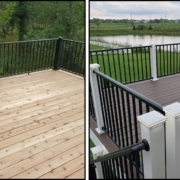
As Platinum-level contractors serving the North Metro and surrounding Twin Cities (including Blaine, Maple Grove, Rogers, and Lino Lakes), Barefoot Construction specializes in replacing old, high-maintenance wood with modern, long-lasting composite and Advanced PVC decking. Backed by hidden fastener systems and robust, code-compliant framing engineered for the Minnesota climate, we build outdoor spaces designed for true peace of mind.
Contact Barefoot Construction today to schedule an expert deck evaluation and start planning your worry-free summer sanctuary.
FAQ
How many years does a pressure-treated wood deck safely last?
On average, a standard pressure-treated wood deck lasts between 10 to 15 years before the structural integrity of the lumber begins to naturally decline due to weathering, rot, and moisture exposure.
Can you build a new composite deck on top of an old wood frame?
Yes, this process is called “re-skinning” or re-decking. However, it is only safe if the existing structural frame, joists, and foundation footings are completely sound, level, free of rot, and compliant with current local building codes.
Why do deck ledger boards fail?
Ledger boards typically fail due to improper installation, missing or damaged flashing, or using the wrong type of nails instead of structural ledger bolts. This allows water to rot the wood, eventually causing the deck to pull away from the house.