Choosing the Right Materials for Your Deck Construction Project
Building a deck is a fantastic way to expand your living space and create an inviting outdoor retreat. But before you break ground, one crucial decision needs to be made: choosing the deck construction materials. The right materials will influence the aesthetics, durability, and overall functionality of your deck for years to come. So, how do you pick the perfect fit for your deck construction project? Let’s explore some popular deck construction materials and the factors to consider when making your choice.
Considering Your Priorities for Your Deck Project: Looks, Maintenance, and Budget
Choosing the right deck construction materials hinges on three key considerations: aesthetics, maintenance requirements, and budget. These factors will all play a role in how your deck looks, functions, and fits into your lifestyle.
Aesthetics play a crucial role. Think about the overall design of your home and how you envision the deck complementing it. Do you crave the classic warmth and timeless character of natural wood? Or perhaps a sleek, modern aesthetic that composite decks can achieve is more your style? Considering the visual aspects of the materials will ensure your deck creates a cohesive and aesthetically pleasing outdoor space that integrates seamlessly with your house.
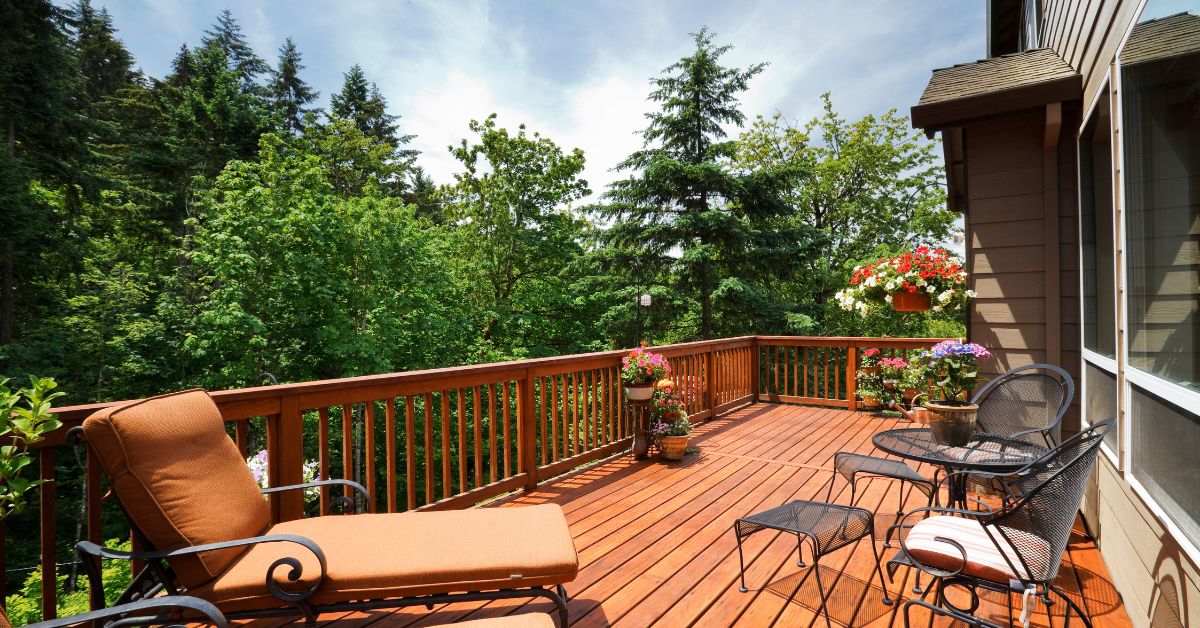 Maintenance is another important factor. Be realistic about the amount of time and effort you’re willing to invest in maintaining your deck. Wood decks require regular staining and sealing to keep them protected from the elements and looking their best. This can be a rewarding process for some homeowners who enjoy the hands-on care, but for others, it might be a chore. Composite decks, on the other hand, typically only need occasional cleaning, making them a lower-maintenance option.
Finally, there’s the budget. Deck construction materials can vary significantly in price. Pressure-treated wood offers a budget-friendly option, but it does require more frequent maintenance down the line. Composite decks, while boasting lower maintenance needs, come with a higher upfront cost. Ultimately, the best choice will depend on how much you’re willing to spend upfront and how much time you can dedicate to upkeep in the long run.
Popular Deck Construction Materials
Now that you’ve considered your priorities in terms of aesthetics, maintenance, and budget, let’s delve into the most popular deck construction materials. Each option offers unique advantages and disadvantages, so it’s important to understand what each brings to the table.
For many homeowners, wood decks hold a timeless appeal. The natural beauty and warmth of wood can complement any architectural style, creating a classic and inviting outdoor space. Popular choices include pressure-treated lumber, cedar, and redwood. Pressure-treated lumber offers a budget-friendly option, but it does require more frequent maintenance in the form of staining and sealing. Cedar and redwood boast natural resistance to rot and insects, making them a good choice for those seeking lower maintenance, but they come with a higher price tag.
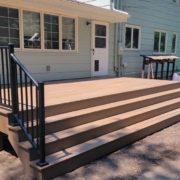
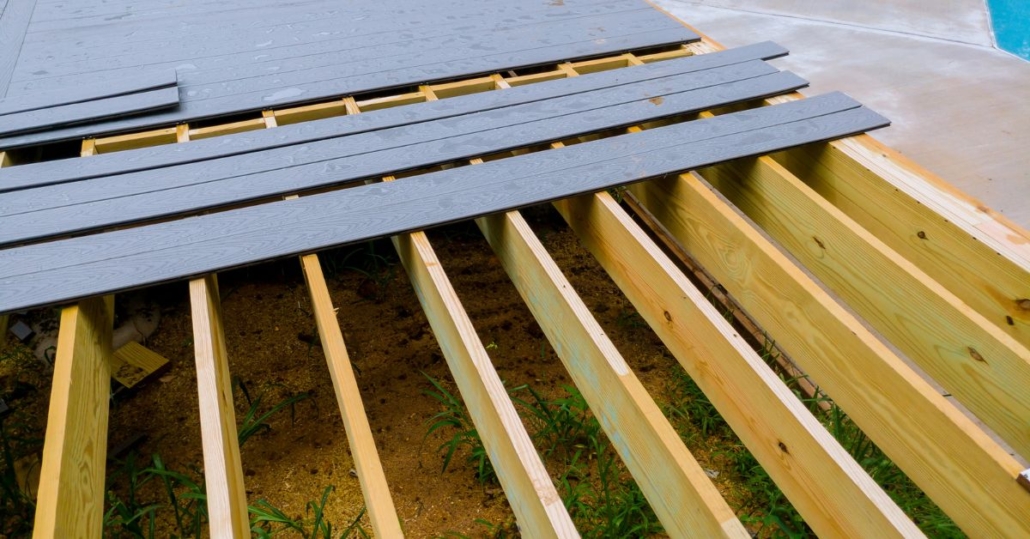
A popular choice for those seeking a low-maintenance option, composite decking is a blend of wood fibers and plastic polymers. This innovative material offers a realistic wood look without the need for regular staining and sealing. Composite decks are also resistant to warping, rotting, and insect damage, providing long-lasting durability. However, some composite decks can get quite hot in direct sunlight, and they may not have the same rich aesthetic appeal as natural wood.
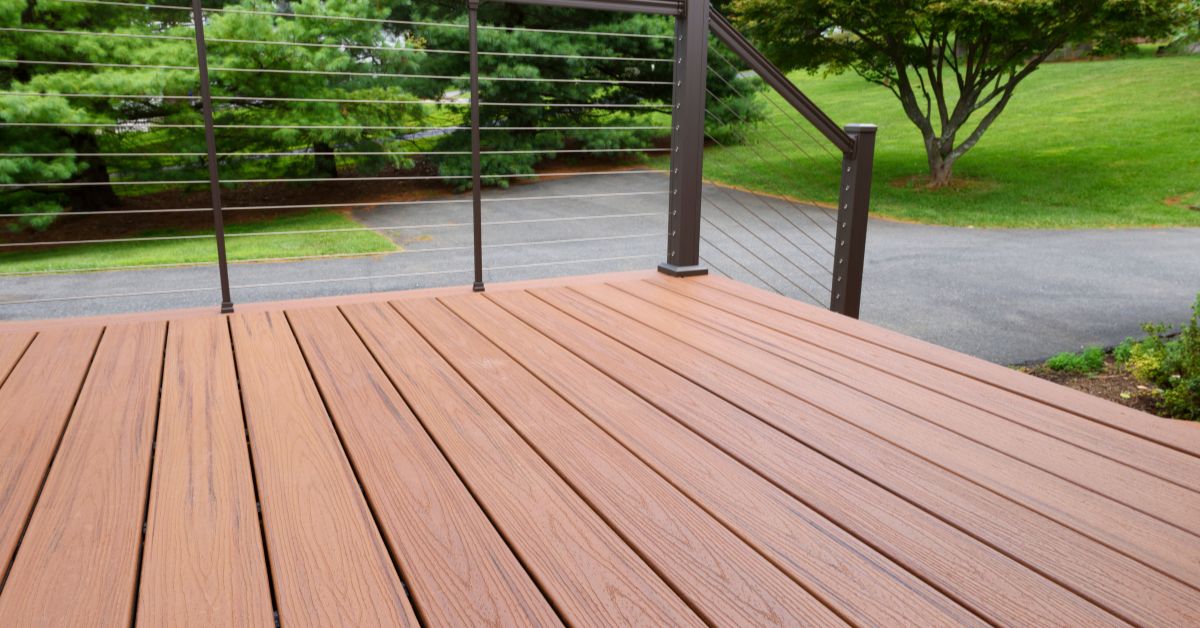 Polyvinyl Chloride (PVC) decks are renowned for their exceptional durability and minimal maintenance requirements. Impervious to moisture, rot, and insect damage, PVC decks offer a worry-free solution for busy homeowners. They also come in a variety of colors and styles, allowing for greater design flexibility in your deck construction project. The downside? PVC decks can be quite expensive compared to other options, and they may feel hot underfoot in the summer sun.
If you prioritize low-maintenance and a lightweight material, aluminum decks offer a compelling alternative. They are resistant to warping, rotting, rusting, and easy to clean. Additionally, aluminum decks can be fire-resistant, making them a good choice for areas with fire restrictions. However, similar to PVC decks, aluminum decks can get quite hot in direct sunlight, and they may not have the same visual appeal as wood or composite options.
Additional Considerations for Deck Construction
Your deck construction project encompasses more than just the surface decking material. Several other elements play a crucial role in both the functionality and aesthetics of your finished deck.
While they may seem like a minor detail, high-quality fasteners are essential for a secure and long-lasting deck. Opt for stainless steel or galvanized options to resist rust and corrosion throughout the years. This will ensure the structural integrity of your deck and prevent future repairs or replacements down the line.
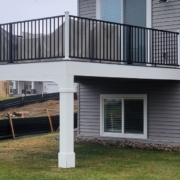
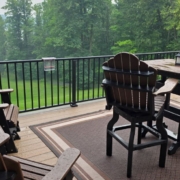
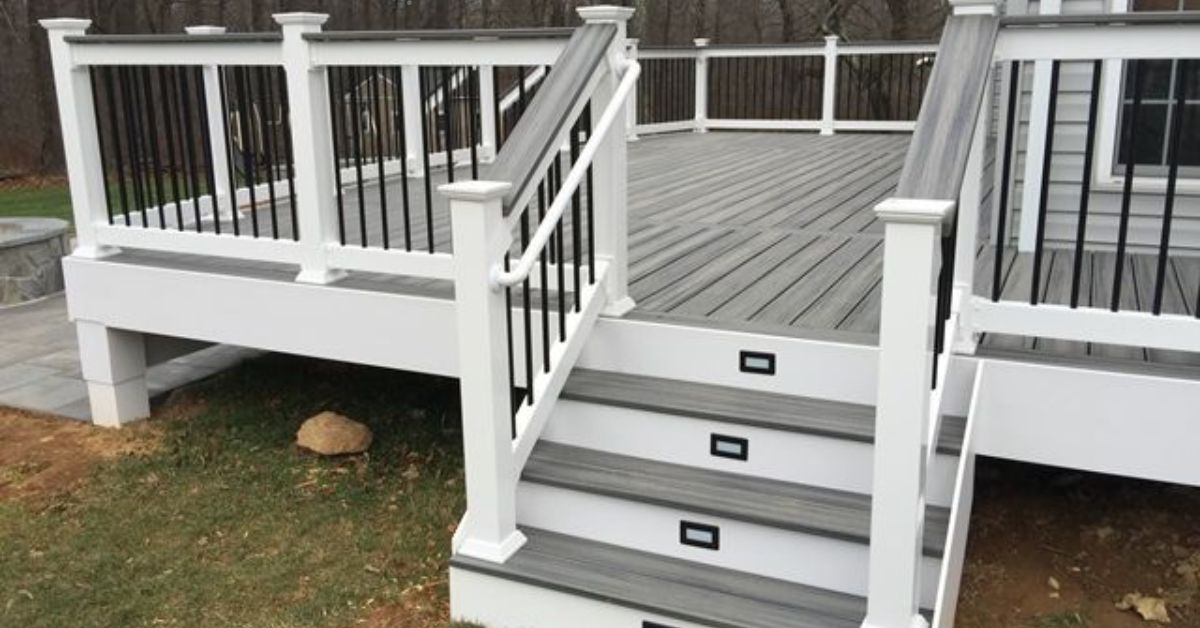 Beyond providing safety, railings significantly contribute to the overall look and feel of your deck. Select railings that complement your chosen deck material and style. Options include wood, metal, or composite, each offering a unique aesthetic to match your vision. Remember to consult your local building codes to ensure your railings meet the required height and spacing specifications for safety compliance in your deck construction project.
Optimizing Your Deck Construction Project with the Right Materials
Choosing the right deck construction materials is an important step in creating your dream outdoor space. By considering your priorities, researching different materials, and consulting with a professional deck builder, you can make an informed decision that will bring you lasting enjoyment for years to come.