Deck Construction: Building a Strong Foundation with Footings and Frameworks
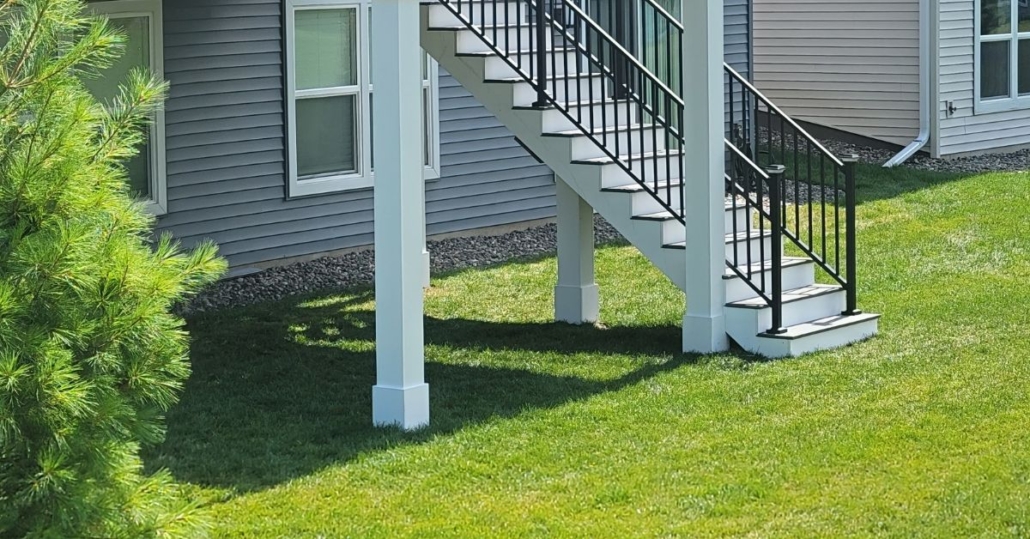
Deck construction is a fantastic way to expand your living space and enjoy the great outdoors. However, the success of your deck relies heavily on the strength and stability of its foundation. This means focusing on the deck footings and framework. A well-constructed deck starts from the ground up, ensuring that everything above it is secure and long-lasting. In this article, we’ll dive into the essentials of deck footings and frameworks, helping you build a deck that’s not only beautiful but also durable.
Understanding Deck Footings
Deck footings are essential components of a deck’s foundation, serving as the concrete or other material bases that support the deck’s posts. They play a crucial role in distributing the deck’s weight evenly across the ground, which helps prevent problems such as settling or shifting. Properly installed footings are vital to maintaining the deck’s stability and safety; without them, the deck could become unstable or unsafe as time goes on.
Types of Deck Footings
Concrete footings are a popular choice for deck foundations because of their strength and durability. These footings are typically poured into holes that have been dug into the ground and are designed to extend below the frost line to prevent movement caused by freeze-thaw cycles. The process involves mixing and pouring concrete directly into the holes, which creates a solid and stable base for the deck. However, achieving a strong footing requires careful mixing and pouring to avoid problems such as air bubbles or uneven surfaces.
Choosing the Right Footing for Your Deck
Selecting the right type of footing depends on several factors including soil conditions, deck size, and local building codes. It’s always a good idea to consult with a professional to determine the most suitable option for your specific project.
Planning for Deck Footings
Before embarking on your deck-building project, it’s crucial to carefully evaluate the chosen site. A thorough inspection will help identify potential obstacles, such as large rocks, tree roots, or significant slopes. Such obstructions can complicate the installation process and may require additional preparation or adjustments. A clear and level site, on the other hand, will streamline the construction process and ensure a stable and durable deck.
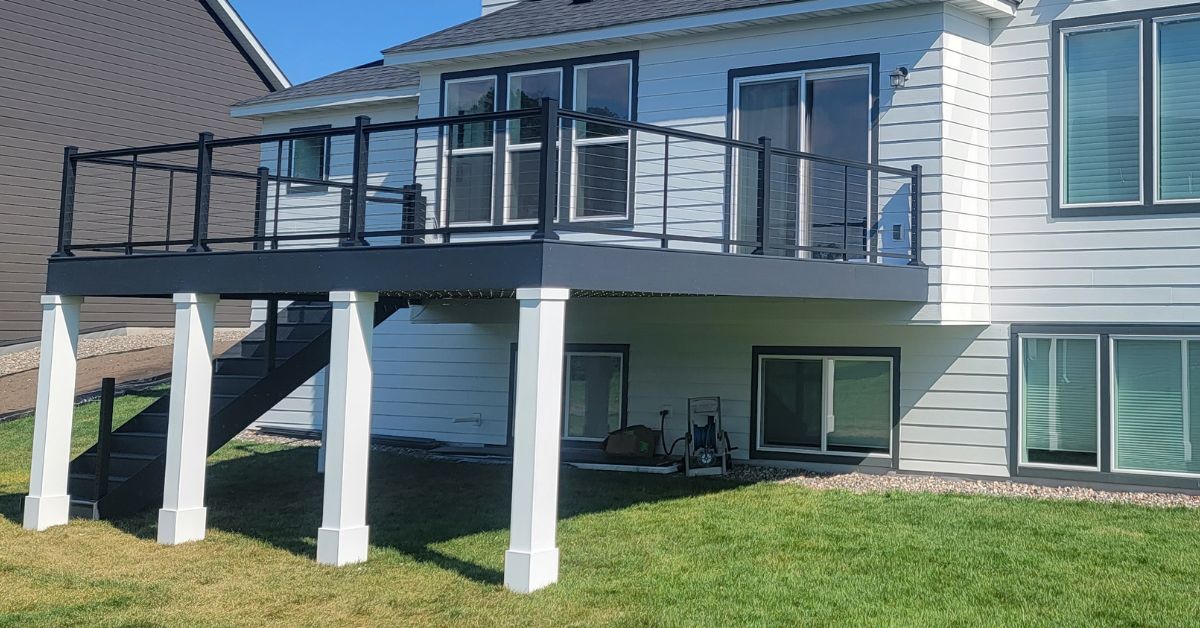 The depth and size of the footings are essential factors to consider when building a deck. These dimensions are influenced by the weight of the deck itself and the underlying soil conditions. To prevent the deck from shifting due to frost heave or other factors, it’s generally recommended to extend the footings below the frost line. Local building codes provide specific guidelines for the required depth and diameter of footings, ensuring that the deck meets safety standards and can withstand the local climate.
Installing Deck Footings
To install deck footings, you’ll require a range of tools and materials. Essential items include a shovel for digging, a post hole digger for creating the holes, a concrete mixer to prepare the concrete mixture, and Sonotubes (if applicable) for forming the footings. Additionally, you’ll need concrete mix, water, and a trowel for smoothing and finishing the concrete surface.
Step-by-Step Installation Guide
The first step in building a deck is to dig holes for the footings. Using the measurements you’ve calculated, dig holes that are the correct depth and diameter. It’s essential to ensure the holes are straight and evenly spaced to provide a stable base for your deck. This will prevent any future issues with the structure.
Once the holes are dug, you can begin placing the forms. If you’re using Sonotubes, carefully lower them into the holes, ensuring they are level and centered. If you’re not using Sonotubes, you’ll need to construct forms directly in the holes. These forms will shape the concrete footings.
Introduction to Deck Frameworks
The deck framework is the essential structure that supports the deck surface and is constructed on top of the footings. It consists of various components, including beams, joists, posts, and railings, which work in harmony to form a stable and level platform. These components are crucial for ensuring the deck’s safety and durability.
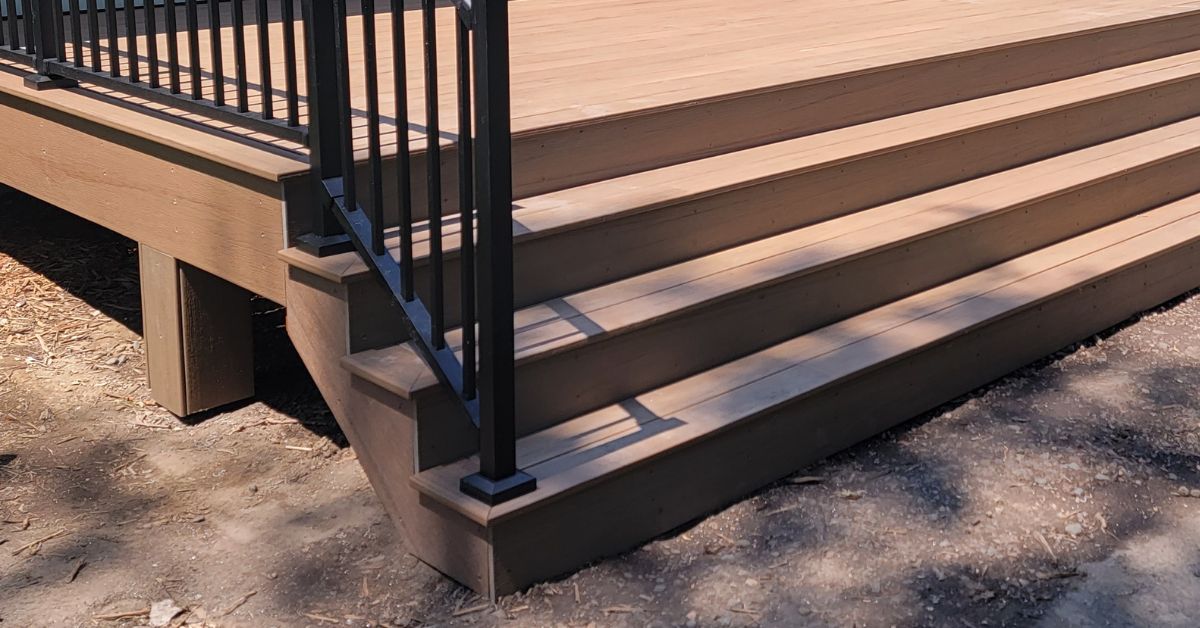 Components of a Deck Framework
Joists are horizontal supports that span across the deck, providing a foundation for the decking boards. They are spaced evenly to ensure consistent support and prevent uneven weight distribution. The appropriate spacing of joists is a crucial factor in creating a stable and durable deck surface.
Beams are larger, horizontal supports that run perpendicular to the joists. They serve as the primary load-bearing elements, transferring the weight of the joists and decking to the footings. Posts, on the other hand, are vertical supports that connect the beams to the footings. They help distribute the weight of the framework evenly to the ground. Properly installed posts are essential for maintaining the structural integrity of the deck.
Designing the Deck Framework
Before constructing your deck, it’s essential to calculate the load-bearing requirements based on its size and intended use. This will help you determine the appropriate spacing and dimensions for joists and beams to ensure the deck can safely support its weight and any additional loads. Factors to consider include the deck’s size, the type of materials used, and the expected usage, such as whether it will be used for seating, grilling, or hosting parties.
Once you’ve determined the load-bearing requirements, carefully plan the layout of your deck’s framework, including the placement of joists, beams, and posts. Proper spacing is crucial for distributing the weight evenly and maintaining the deck’s stability. Additionally, you’ll need to choose the materials for your framework. Traditional wood is a cost-effective option and widely used, but composite materials offer increased durability and require less maintenance. Consider your budget, desired aesthetic, and the specific requirements of your project when selecting the best materials for your deck.
Building the Deck Framework
Prepare the necessary tools and materials for building the framework, including a level, saw, hammer, screws, and the chosen materials (wood or composite).
Step-by-Step Construction Guide
Begin by marking the locations for your beams and joists on the footings. Use a level to ensure that the lines are straight and parallel. This will help you create a level and stable deck surface. Once the locations are marked, you can start securing the components.
Secure the joists to the beams using appropriate fasteners, such as deck screws. Ensure that they are evenly spaced and level to prevent any unevenness in the deck surface. Next, install the posts, attaching them to the footings and beams. Use a level to check that the posts are plumb, meaning they are perfectly vertical. This is crucial for ensuring the stability and safety of the deck.
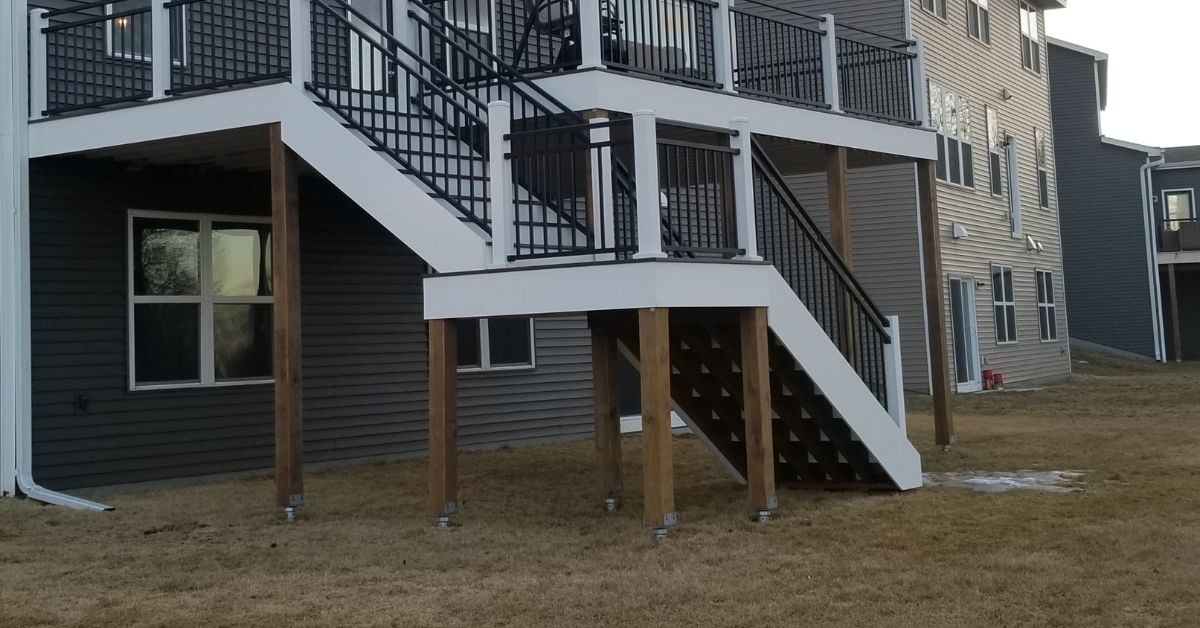 Connecting the Footings to the Framework
Post anchors and brackets are essential tools for creating secure connections between your deck’s framework and footings. By using these components, you can significantly reduce the risk of movement and ensure the overall stability of your deck. Proper fastening techniques, such as using post anchors and brackets in conjunction with appropriate fasteners, help to prevent the deck from shifting or sinking over time. This not only enhances the safety of your outdoor space but also extends its lifespan.
Deck Safety Considerations
Designing your deck to handle the anticipated load is crucial for ensuring its safety and longevity. Regular inspections and maintenance are equally important for maintaining the deck’s structural integrity. By conducting periodic checks, you can identify and address potential issues such as loose boards, damaged components, or signs of wear and tear. This proactive approach helps to prevent accidents and ensures that your deck remains a safe and enjoyable outdoor space.
Finishing Touches
Once the framework is in place, it’s time to install the decking boards. Lay the boards evenly spaced and aligned on the framework, securing them with appropriate fasteners. This step requires precision to achieve a clean and professional finish. After the decking boards are installed, apply a stain or sealant to protect the wood from moisture, UV rays, and other environmental factors. This treatment enhances the deck’s appearance and extends its lifespan. Finally, conduct a comprehensive inspection to verify that all components are securely fastened and the deck is structurally sound. Make any necessary adjustments before enjoying your new outdoor space.
Building a deck is a rewarding project that enhances your outdoor living space. By focusing on strong footings and a solid framework, you ensure that your deck will be both beautiful and durable. Follow these guidelines to create a deck that you and your family can enjoy for many years to come.