What is an ADU? A Comprehensive Guide to Accessory Dwelling Units

Minnesota homeowners are increasingly looking for ways to maximize their property’s potential. Whether it’s providing a space for aging parents, creating a private home office, or generating rental income, Accessory Dwelling Units (ADUs) have become the go-to solution.
But what exactly is an ADU, and is it right for your Twin Cities home? At Barefoot Construction, we specialize in helping Minnesotans navigate the design and build process of these versatile structures.
Understanding the Basics: What is an ADU?
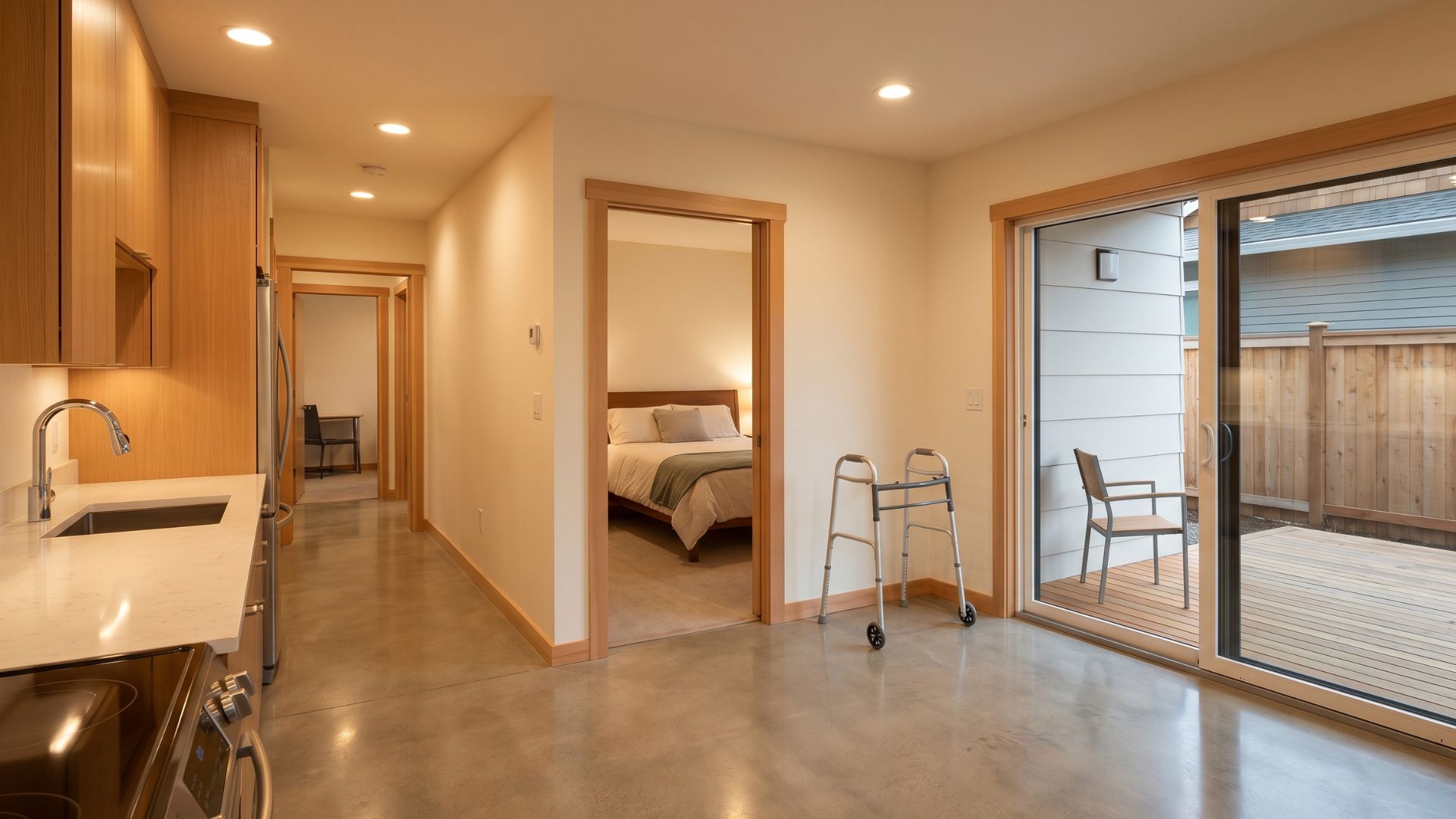
An Accessory Dwelling Unit (ADU) is a secondary housing unit located on the same lot as a primary residential building. Think of it as a self-contained home that is smaller than the main house. To be considered a legal ADU, the space must include:
- A private entrance.
- A full kitchen or kitchenette.
- A bathroom.
- Living and sleeping quarters.
Common Types of ADUs in Minnesota
Depending on your lot size and local zoning laws (which vary from Minneapolis to St. Paul and the surrounding suburbs), you generally have three options:
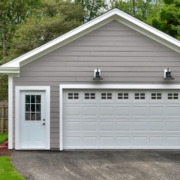
- Detached ADUs: Often called “backyard cottages” or “granny flats,” these are standalone structures separate from the main house.
- Attached ADUs: These share at least one wall with the primary residence, similar to a small addition.
- Interior Conversions: These are built within the existing footprint of the home, such as a basement apartment or an attic suite.
Why Build an ADU?
The benefits of adding an ADU go beyond just extra square footage. Here is why they are trending in the North Star State:
- Multigenerational Living: Keep family close while maintaining everyone’s privacy.
- Rental Income: Offset your mortgage by renting the unit out to a long-term tenant.
- Property Value: A professionally built ADU can significantly increase your home’s resale value.
- Sustainability: ADUs encourage “gentle density,” making better use of existing infrastructure and land.
 Navigating Minnesota Regulations
 Navigating Minnesota Regulations
Building an ADU isn’t as simple as putting up a shed. Minnesota cities have specific requirements regarding setbacks, height limits, and utility connections. For instance, Minneapolis has been a leader in ADU-friendly zoning, while other suburbs may have stricter “owner-occupancy” requirements.
Before you break ground, it is essential to consult with a contractor like Barefoot Construction who understands the local building codes and permitting processes.
FAQ
Can I build an ADU on any property in Minnesota?
Not necessarily. Zoning laws vary by city. You must check your local ordinances to see if your lot size and residential zone allow for secondary units.
How much does an ADU cost to build?
Costs vary widely based on whether it is a conversion or a detached new build. On average, detached ADUs in Minnesota range from $150,000 to $300,000+ depending on finishes and utility requirements.
Does an ADU increase my property taxes?
Yes. Because an ADU adds value to your property and increases the livable square footage, your property tax assessment will likely reflect that increase.