What are the signs that a roof needs to be replaced?
Your roof is like the silent guardian of your home—protecting you from rain, wind, sun, and snow without asking for much in return. But even the most durable roofs have an expiration date. The trick is knowing when your roof is trying to tell you it’s time to retire. So, let’s dig into the most common (and not-so-obvious) signs that your roof may be due for a replacement.
Your Roof Is More Than 20 Years Old
If your roof is over two decades old, it’s already living on borrowed time—especially if it’s an asphalt shingle roof. Even if it looks fine from the ground, age alone is a major reason to start considering a replacement. Roofing materials wear down over time, and weather exposure speeds up the process.
Shingles Are Curling or Buckling
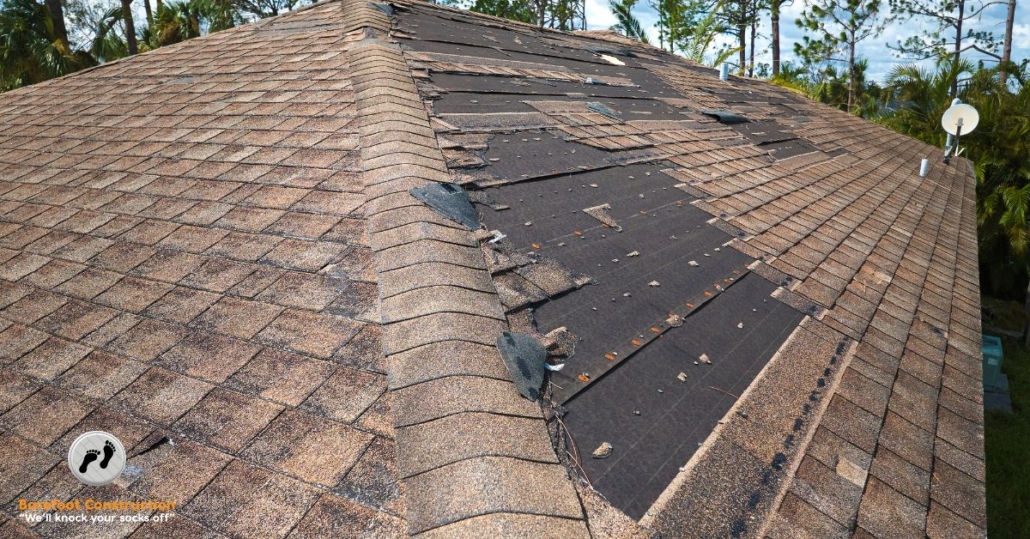
Take a step back and look at your roof. Are the shingles lying flat or do you see ones that are curling up at the edges or buckling? This isn’t just a cosmetic issue. It’s a red flag that your shingles are deteriorating, and once that happens, your roof is no longer fully protecting your home.
Missing Shingles or Granules
Missing shingles = missing protection. Simple as that. When shingles fall off due to wind or old age, your roof becomes exposed to water damage. Similarly, if you’re finding granules (the gritty material on shingles) in your gutters, it’s a sign the shingles are breaking down.
Leaks and Water Damage
One of the most obvious signs—and the most dreaded—is water dripping from the ceiling. But not all leaks are that dramatic. Look for water stains, peeling paint, or bubbling drywall on your ceilings and walls. These are subtle signs of moisture intrusion that may indicate your roof is compromised.
 Daylight Coming Through the Roof Boards
Head up to your attic during the day and turn off the lights. Can you see sunlight peeking through the roof boards? That’s not supposed to happen. If light can get in, so can water, cold air, and pests. Definitely a sign that parts of your roof have deteriorated.
Sagging Roof Deck
A roof should appear straight along its lines. If you notice any sagging areas or dips, this could mean water has weakened the underlying structure. A sagging roof is often a sign of long-term water damage and can become dangerous if left unattended.
Moss, Mold, or Algae Growth
While a bit of moss may seem harmless or even picturesque, it can trap moisture against the roof surface, speeding up decay. Mold and algae aren’t just ugly—they can cause rot and compromise your roofing materials, especially in damp or shaded areas.
Increased Energy Bills
Have you noticed your heating or cooling costs creeping up for no apparent reason? A failing roof can impact your home’s insulation, allowing air to escape and forcing your HVAC system to work overtime. Replacing your roof could restore energy efficiency.
Roof Flashing Is Damaged or Missing
Flashing is used to seal and protect joints and transitions on your roof, such as around chimneys or vents. When flashing is rusted, cracked, or missing, it opens the door for leaks. In many cases, if the flashing is failing, the rest of the roof isn’t far behind.
Nails Popping Out
Loose or popped nails might seem minor, but they can leave holes where water can enter. If you notice this happening frequently, it’s a sign that your roof is shifting or aging and losing its structural integrity.
Gutter Issues Linked to Roofing Debris
If your gutters are full of shingle granules or roofing debris, it’s not just a gutter problem—it’s a roof problem. The material that’s supposed to be on your roof is slowly breaking down and ending up in your drainage system.
Roof Looks Old and Worn
Sometimes, it’s just that simple. If your roof looks like it’s seen better days—discolored patches, uneven surfaces, faded shingles—it probably has. Trust your gut. If it looks bad, it’s probably not doing its job well anymore.
 Neighbors Are Replacing Their Roofs
If homes in your neighborhood were built around the same time and you notice multiple roof replacements happening nearby, it’s probably time to schedule an inspection for yours. Environmental wear and tear is usually similar across homes in the same area.
You’re Planning to Sell
If you’re preparing to list your home, the condition of your roof will be a major factor for potential buyers. A new roof can boost your home’s curb appeal and selling price, while an old one may turn buyers away or lower your negotiation power.
Storm Damage
Strong winds, hail, or heavy snowfall can inflict immediate damage on your roof. Even if the storm didn’t leave obvious holes, it could have weakened shingles or caused hidden damage. Always inspect your roof after extreme weather.
The Roof Feels Spongy or Bouncy
When walking on the roof (if it’s safe and you’re trained to do so), does it feel like a trampoline? That “soft” or “bouncy” feeling is often a sign that moisture has damaged the underlying decking. This definitely points to the need for a roof replacement.
Time for a Roof Replacement?
Your roof may not be able to speak, but it sure knows how to send signals when something’s wrong. Whether it’s missing shingles, persistent leaks, or just plain old age, catching the signs early can save you from costly repairs down the line—or worse, structural damage to your home. Regular inspections and maintenance can go a long way, but when your roof is trying to tell you it’s time to retire, it’s best to listen.
Don’t wait for that first big leak to remind you. Stay ahead of the problem and keep your home safe, dry, and looking sharp.